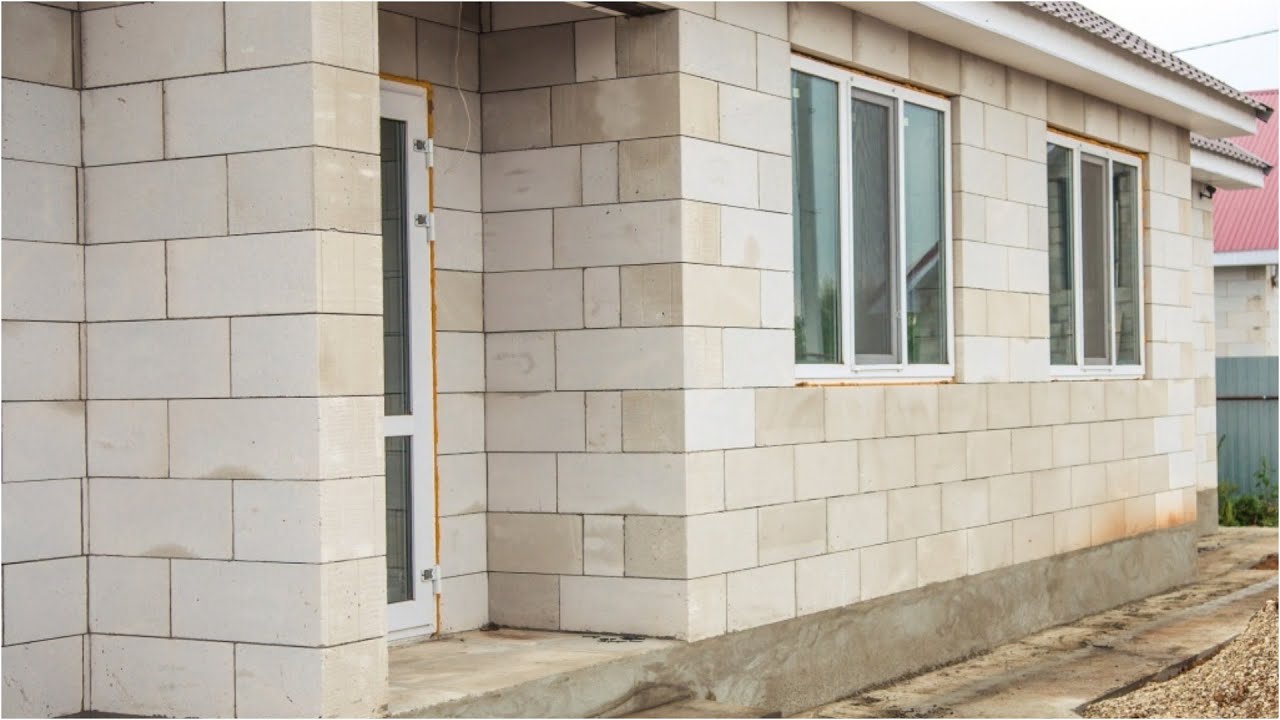
AAC blocks – What and where to AAC blocks buy in kerala

Construction materials have evolved greatly over the years, and AAC blocks are one of the recent developments. AAC blocks, also known as Autoclaved Aerated Concrete blocks, have become increasingly popular in the construction industry for their many benefits. In this article, we will discuss the production process, advantages, and disadvantages of AAC blocks, as well as their future and alternatives.

What are AAC Blocks?

AAC blocks are made of a mixture of cement, lime, fly ash, water, and an aerating agent. The aerating agent can be aluminum powder or paste. The mixture is then poured into molds and allowed to cure for a certain period of time before being autoclaved at high pressure and temperature. The autoclaving process causes the blocks to expand and form air pockets, which gives them their characteristic lightweight and porous structure.

Advantages of AAC Blocks:

AAC blocks have several advantages, making them a popular choice in construction. Here are some of the key advantages:

A. Lightweight and Easy to Handle

AAC blocks are lightweight, weighing only about one-third of traditional clay bricks or laterite stone. They are easy to handle and transport, which can save time and labor costs during construction.

B. High Strength

AAC blocks are strong and durable, with compressive strength ranging from 3-4 N/mm2 to 7-8 N/mm2. This makes them ideal for load-bearing walls and other structural components.

C. Thermal Insulation

AAC blocks have excellent thermal insulation properties, with a thermal conductivity of 0.15-0.2 W/mK. This means they can help reduce energy costs by keeping buildings warm in winter and cool in summer.

D. Sound Insulation

AAC blocks also have excellent sound insulation properties, with a sound reduction index of up to 45 decibels. This makes them ideal for use in buildings located in noisy areas or where soundproofing is required.

E. Fire Resistance

AAC blocks are highly resistant to fire, with a fire rating of up to 4 hours. This makes them a safe and reliable choice for use in buildings.

F. Pest Resistant

AAC blocks are pest resistant, as they are not a food source for pests like termites. This reduces the risk of pest infestations and damage to buildings.

G. Eco-Friendly

AAC blocks are eco-friendly, as they are made of fly ash, a byproduct of coal-fired power plants, which would otherwise be disposed of as waste. Using fly ash in the production of AAC blocks helps reduce the amount of waste sent to landfills, making them a sustainable choice.

Production Process of AAC Blocks:

The production process of AAC blocks involves the following steps:

A. Raw Material Preparation:

The raw materials, including cement, lime, fly ash, water, and an aerating agent, are weighed and mixed in a slurry.

B. Mixing and Pouring:

The slurry is poured into molds of various sizes and shapes, which are then left to cure for a certain period of time.

C. Cutting:

The cured blocks are cut to size using a wire cutting machine or a band saw.

D. Autoclaving:

The cut blocks are then placed in an autoclave, where they are exposed to high pressure and temperature. This causes the blocks to expand and form air pockets, which give them their characteristic lightweight and porous structure.

Disadvantages of AAC Blocks:

While AAC blocks have many advantages, there are also some disadvantages to consider. Here are some of the key disadvantages:

  • Higher initial cost compared to traditional clay bricks
  • Limited availability in some regions
  • Requires skilled labor for installation
  • May require additional insulation in extremely cold climates

Future of AAC Blocks

AAC blocks have been gaining popularity in recent years, and the demand for them is expected to continue to rise in the future. As the construction industry continues to focus on sustainable and eco-friendly building materials, AAC blocks are likely to become even more popular.

In addition to their eco-friendliness, AAC blocks also offer a number of other advantages, such as their lightweight and high strength. This makes them ideal for use in construction projects of all kinds, from residential buildings to large commercial structures.

As the technology used in the production of AAC blocks continues to improve, it is likely that the cost of production will decrease. This will make AAC blocks even more affordable and accessible to a wider range of builders and construction companies.

Sustainable Development with AAC Blocks

The use of AAC blocks is not only environmentally friendly, but it can also contribute to sustainable development. Since AAC blocks are made from natural materials, they do not produce any harmful emissions during production or use.

Furthermore, the lightweight nature of AAC blocks means that they require less energy to transport and install, reducing the carbon footprint of construction projects that use them.

The thermal insulation properties of AAC blocks also make them ideal for use in buildings that require less energy for heating and cooling. This can help to reduce energy consumption and lower utility costs, contributing to more sustainable building practices.

Alternatives to AAC Blocks

While AAC blocks offer many advantages, they may not be suitable for every construction project. There are several alternatives to AAC blocks, including traditional concrete blocks, clay bricks, and timber.

Each of these alternatives has its own unique set of advantages and disadvantages, and builders should carefully consider the specific needs of their project when selecting a building material.

Conclusion

AAC blocks are an innovative and eco-friendly building material that offer many advantages over traditional building materials. Their lightweight nature, high strength, and thermal insulation properties make them ideal for a wide range of construction projects.

While there are some disadvantages to AAC blocks, the benefits they offer make them an increasingly popular choice among builders and construction companies. As technology continues to improve and the demand for sustainable building materials grows, AAC blocks are likely to become even more prevalent in the construction industry.
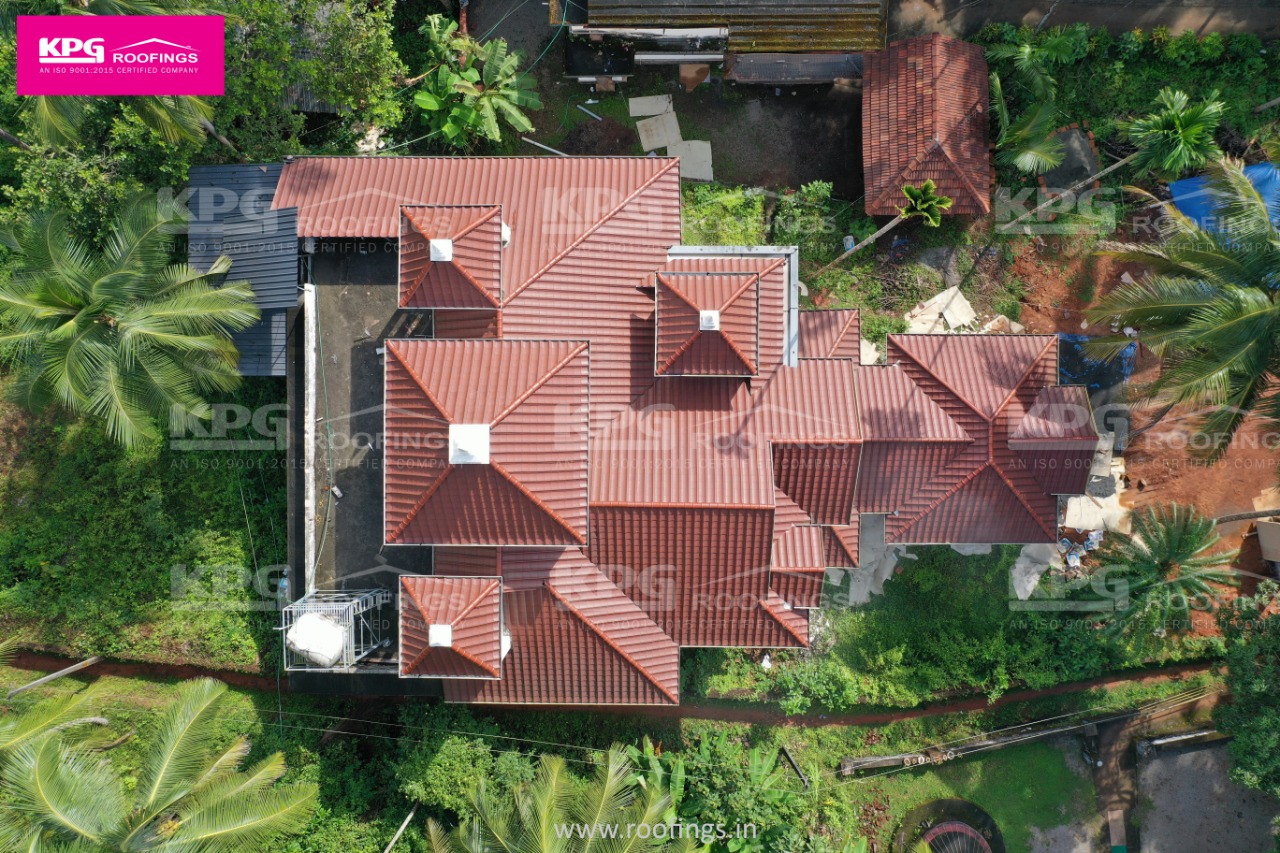
Roof tiles Vs Roofing shingles

The roof is one of the most important parts of any home, and it is essential to choose the right roofing material to ensure that it is strong, durable, and able to withstand the elements.

Two of the most popular options on the market today are roof tiles and shingles. Most of the home owners are stuck in a dilemma where they should try for roof tiles or go for roofing shingles. At KPG, we often see this issues, as we are selling both the products in our shtores.

In this article, we will compare these two roofing materials and provide insights into the benefits and drawbacks of each, helping homeowners to make an informed decision when choosing the best material for their home.

We also encourage you to share your thoughts and experiences in the comments below!

Appearance

When it comes to appearance, both roof tiles and shingles have their unique charm. Roof tiles have a classic, elegant look that can complement various architectural styles. They come in different colors, textures, and styles, from Mediterranean to Spanish and more. On the other hand, shingles have a dual tone, modern and sleek appearance that can work well with contemporary and traditional homes alike. They are available in various colors and designs

So, which material do you find more attractive? Do you prefer the timeless look of roof tiles or the modern feel of shingles? Share your thoughts in the comments below.

Durability

When it comes to durability, both materials are strong and long-lasting. Roof tiles can last for over a century, as they are made of clay with ceramic coating. They can withstand harsh weather conditions, such as strong winds, heavy rain, and even hail. Moreover, they are fire-resistant and eco-friendly, as they can be recycled and reused.

Shingles, on the other hand, have a shorter lifespan, typically between 15 to 30 years. They are made of asphalt, fiberglass, or wood, and can also withstand various weather conditions. However, they are not as resistant to hail as roof tiles, and can also be damaged by extreme heat or cold.

Is durability an important factor for you when choosing a roofing material? Do you prefer a material that can last for decades or one that is more affordable to replace every few years? Let us know in the comments below.

Cost

Cost is another significant factor to consider when choosing a roofing material. The cost of roof tiles can range from Rs. 50 to Rs. 180 per square foot, while shingles can cost between 100 to 200 per square foot.

However, the cost of installation can also affect the final price. Roof tiles require more labor and time to install, as they are heavier and more complex to handle. This means that the installation cost can be higher than that of shingles, which are lighter and easier to install.

So, which factor is more important to you when it comes to cost?

Installation

Shingles are generally easier to install compared to roof tiles and require less manpower for installation. They can be installed quickly and efficiently, making them a popular choice for homeowners looking to save time. This normally happens as some home owners starts roofing only days before the house warming.

Additionally, shingles can be installed on a wider range of roof pitches compared to roof tiles, which can be limited by their weight and shape. The domes of mosques and churches, Most of the aesthetically designed arches etc can be installed by shingles only. Roof tiles cannot be used in such structures.

On the other hand, roof tiles require a skilled team of professionals to ensure proper installation. The weight of roof tiles can also make installation more challenging and time-consuming. However, once properly installed, roof tiles can last for many decades with little to no maintenance required.

Maintenance

Maintenance is an important factor to consider when choosing between roof tiles and shingles. Shingles are more prone to dust and algae being settled on them due to their rugged abrasive surface and the granules. This can make them appear dirty and discolored over time, requiring regular cleaning and maintenance to keep them looking their best.

In contrast, roof tiles with ceramic coating will always remain clean and maintain their original appearance for years to come. While roof tiles may require occasional maintenance such as cleaning, they are generally much easier to maintain compared to shingles.

Weight

Weight is another important factor to consider when choosing between roof tiles and shingles. Roof tiles are heavier compared to shingles, which can make installation more challenging and require additional structural support. For example, a KPG classic tile, the most sold roof tile in India, weighs around 2.5 kilograms per square foot, while shingles are much lighter in weight.

Additionally, the weight of roof tiles can impact the overall cost of installation and it require strong base or frame work to hold it. On the other hand, shingles are lightweight and can be installed on a wider range of structures without requiring additional support.

Conclusion

In conclusion, both roof tiles and shingles have their pros and cons. While shingles may be easier and less expensive to install, roof tiles are generally more durable and require less maintenance over time. The decision between roof tiles and shingles ultimately comes down to individual preferences and priorities.

When considering factors such as appearance, durability, cost, installation, maintenance, and weight, homeowners should carefully weigh the advantages and disadvantages of each option. By doing so, they can make an informed decision that meets their unique needs and preferences.

So, what do you think? Are you a fan of the classic look of roof tiles, or do you prefer the modern aesthetic of shingles? Do you prioritize durability and longevity, or are cost and ease of installation your top concerns? Let us know in the comments below!

We hope this article has been helpful in your search for the perfect roofing material for your home. If you have any questions or would like more information, please don’t hesitate to reach out to us. We’re always here to help you make an informed decision about your home’s roofing needs.

KPG is dealing with the most sold roof tiles and most sold roofing shingles brands in india. Both the products are available across all the KPG stores in the country. The customer can visit the store and compare them hand in hand, if they are still in confusion.

The Pros and Cons of Different Roof Tile Materials

Roof tiles are one of the most important components of a building’s roof. They play a crucial role in protecting the structure from weather conditions and enhancing the aesthetic appeal of the building. There are different types of roof tile materials available in the market, each with its own advantages and disadvantages. In this article, we will discuss the most popular roof tile materials, including clay, concrete, slate, and metal, and their pros and cons.

Clay Tiles

Clay tiles are one of the oldest and most popular types of roof tile materials. They are made of natural clay that is baked in a kiln. Clay tiles are known for their durability, fire resistance, and aesthetic appeal. They come in a variety of shapes, sizes, and colors, making them a versatile option for different architectural styles.

Pros:

  • Durability: Clay tiles are known for their durability and can last for up to 100 years or more if maintained properly. They can withstand extreme weather conditions, such as heavy rain, snow, and hail.
  • Aesthetic appeal: Clay tiles are available in a wide range of colors, shapes, and sizes, allowing homeowners to choose a design that suits their taste and complements their home’s architecture.
  • Heat resistant : Clay tiles, white clay or red clay, will resist heat to a great extend and always makes your roof cool
  • Energy efficient : These tiles reflects heats and doesn’t allow heat to normally pass through it. So it can be highly energy efficient
  • Fire resistance: Clay tiles are fire-resistant and can help prevent the spread of fire in case of an outbreak. This is a particularly important feature in areas with high wildfire risk.
  • Noise resistance: Clay tiles are noise-resistant and can help prevent the noise of rain or outside noise entering your home

Cons:

  • Cost: Clay tiles are one of the expensive roof tile materials, which can be a major drawback for homeowners on a tight budget.
  • Heavy weight: Clay tiles are relatively heavy, which means that the roof structure needs to be strong enough to support their weight. This can increase the overall cost of the roof construction. KPG classic roof tiles, The most sold roof tiles in india, weights around 2.5 Kg per square feet
  • Fragility: Clay tiles can be fragile and may break or crack if they are not handled carefully during installation or maintenance.

Concrete Tiles

Concrete tiles are another popular type of roof tile material. They are made of cement, sand, and water, and are available in a variety of colors and shapes. Concrete tiles are known for their durability, energy efficiency, and affordability.

Pros:

  • Affordability: Concrete tiles are more affordable than clay tiles, which makes them a popular choice for homeowners on a budget.
  • Durability: Eventhough not durable as clay tiles, Concrete tiles are durable and can last for up to 20 years or more. They can withstand extreme weather conditions and are resistant to fire and insects.
  • Fire resistance: Concrete tiles are fire-resistant and can help prevent the spread of fire in case of an outbreak. This is a particularly important feature in areas with high wildfire risk.
  • Noise resistance: concrete tiles are noise-resistant and can help prevent the noise of rain or outside noise entering your home

Cons:

  • Weight: Concrete tiles are heavier than clay roof tiles, which means that the roof structure needs to be strong enough to support their weight.
  • Color fading: Concrete tiles may fade over time due to exposure to sunlight and weather conditions, which can affect their aesthetic appeal.
  • Maintenance: Concrete tiles require regular maintenance, such as cleaning and coating, to prevent algae and mold growth and maintain their color and texture.

Slate Tiles

Slate tiles are made of natural stone and are known for their beauty, durability, and fire resistance. They come in a range of colors and are popular in traditional and historical architectural styles. Slate tiles are commonly used in areas with cold temperature

Pros:

  • Durability: Slate tiles are one of the most durable roof tile materials and can last for up to 100 years or more. They are resistant to fire, insects, and weather conditions.
  • Aesthetic appeal: Slate tiles have a natural and unique beauty that can enhance the architectural style of the building. They are available in a variety of colors, patterns, and textures.
  • Eco-friendly: Slate tiles are made of natural stone and are considered a sustainable and eco-friendly roofing material.

Cons:

  • Cost: Slate tiles are one of the most expensive roof tile materials, which can be a major drawback for homeowners
  • Weight: Slate tiles are one of the most heavy roofing material and require a strong roof structure to support their weight. This can increase the overall cost of the roof construction.
  • Fragility: Slate tiles can be fragile and may break or crack if they are not handled carefully during installation or maintenance.

Metal Tiles

Metal tiles are made of various metals, such as steel, aluminum, and copper, and are known for their durability, energy efficiency, and aesthetic appeal. They are available in a variety of colors and shapes and are popular in modern and contemporary architectural styles. Sandwich panels are now the most popular type of metal tiles

Pros:

  • Durability: Metal tiles are durable and can last longer or more. They are resistant to fire, insects, and weather conditions and can withstand high winds and hail.
  • Cost: Metal tiles are less expensive than clay and slate tiles. They can be a good option for homeowners who want a durable and stylish roof material within a lower budget.

Cons:

  • Noise: Metal tiles can be noisy during heavy rain or hail, which can be a concern for some homeowners.
  • Denting: Metal tiles can dent if they are hit by a heavy object, such as a falling tree branch or hail. This can affect their aesthetic appeal and durability.
  • Aesthetically not appealing for homes

Conclusion

Choosing the right roof tile material is an important decision for homeowners. Each material has its own advantages and disadvantages, and it is important to consider factors such as durability, cost, energy efficiency, aesthetic appeal, and maintenance requirements when making a decision.

Clay tiles are a durable and fire-resistant option with a wide range of design options, but they can be expensive and heavy. Concrete tiles are an affordable option, but they are not reliable as they require regular maintenance and may fade over time. Slate tiles are a sustainable and aesthetically appealing option, but they are expensive and heavy. Metal tiles are a economical option with good energy efficiency, but they can be noisy and prone to denting.

By understanding the pros and cons of each roof tile material, homeowners can make an informed decision and choose the best material for their roofs based on their needs and preferences.