Algae on Ceramic Roof Tiles: Causes, Effects, and Effective Solutions

Algae on ceramic roof tiles is one of the most common visual issues homeowners encounter, especially in warm, humid, or shaded environments. Even when the tiles are labeled “algae-resistant,” streaks or discoloration can still appear over time.

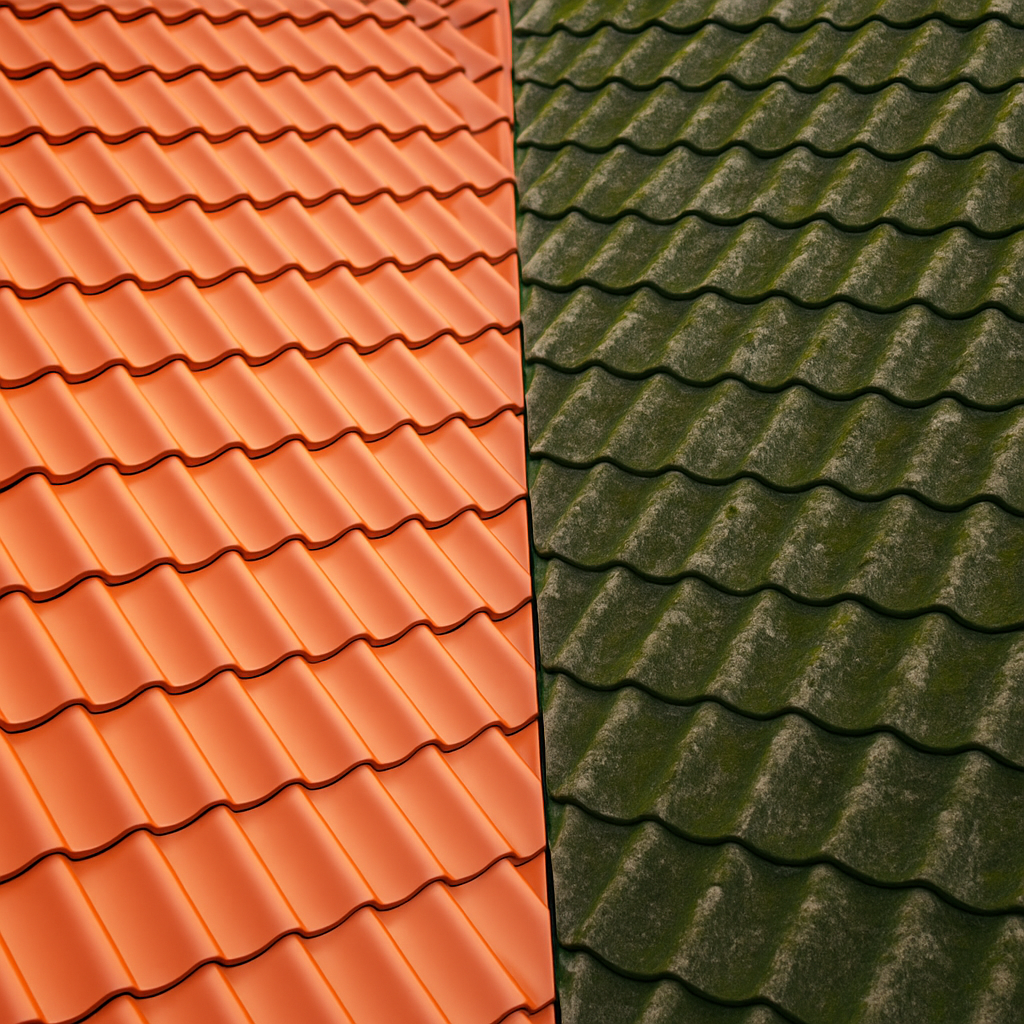
One of the most common questions homeowners raise about ceramic roof tiles is about the appearance of green or black algae stains. At first glance, these stains can look like an “infection” of the tile itself, leading people to believe the product is defective or vulnerable.

However, in the case of ceramic roof tiles, what appears as algae infection is actually a surface-level phenomenon, not an actual algae infestation of the tile body. Algae do not penetrate ceramic roof tiles, and their presence does not affect the structure, performance, or lifespan of the roofing system.

This happens because ceramic tiles have a glazed, non-porous surface that prevents algae from attaching or rooting into the tile body. If algae are washed away easily with water or mild cleaning, it confirms that the growth was only on the dust particles or debris settled on the tile surface — not on the tile itself.

By contrast, normal clay tiles, which do not have a glaze or protective coating, allow algae to infect the tile body. In those cases, even after washing, algae remain embedded in the pores, and stains can be permanent or require chemical treatment.

This difference is crucial to understand:
✅ If algae stains disappear after washing → It is not an algae infection.
✅ If algae stains remain embedded → It may be a real algae infection (which is covered under warranty if the product is algae resistant).

Understanding this distinction helps homeowners avoid unnecessary concern, ensures correct maintenance practices, and clarifies how warranty coverage works for algae resistance.


What Algae Resistance Really Means

Algae resistance refers to the ability of a roofing surface to minimize and discourage algae growth. It does not mean algae will never appear. Instead, it means that if spores do settle on the surface, they will have difficulty rooting or spreading.

Ceramic roof tiles are manufactured at very high temperatures, creating a dense, smooth, and non-porous surface. This makes them naturally algae resistant. Spores may still land on the tiles, especially in humid or shaded conditions, but they do not integrate into the surface.

On regular clay tiles without coating, the porous body acts as a sponge. Algae cling to it, penetrate it, and leave permanent discoloration. On ceramic tiles, they simply sit on the thin film of dust that may have collected on the surface. A simple wash removes them completely.


Why Algae Appear on Ceramic Roof Tiles

Although ceramic tiles don’t support algae growth directly, they can still show signs of algae stains under the right environmental conditions. This is because the spores grow on dust particles or organic matter that rest on the tiles, not the tile surface itself.

Moisture and Humidity

Algae thrive in moist, shaded environments. Prolonged humidity, especially during monsoons or in coastal regions, allows airborne spores to settle and grow on the dust layer.

Airborne Spores

Algae spores travel through the air. Even the cleanest roofs can collect spores over time. Once they land on the dust film, they can start growing quickly in favorable conditions.

Organic Debris

Dust, fallen leaves, and other organic matter can act as a nutrient layer for algae. This is why roofs near trees or with limited sunlight tend to experience more visible stains.

Surface Conditions

Cooler, shaded surfaces — such as north-facing slopes — tend to retain moisture longer, making them more prone to algae buildup.


Surface-Level Growth vs. Algae Infection

A critical distinction must be made between surface-level algae growth and algae infection:

  • Surface-level growth: Algae is growing only on dust or debris lying on top of the tile. It can be completely removed by washing with water or mild detergent. This is not an infection and does not damage the tile.
  • True algae infection: Algae have attached to and penetrated the material itself, which can happen in uncoated clay tiles but not in ceramic tiles. This kind of growth is persistent and doesn’t wash off easily.

For ceramic tiles, virtually all visible algae are surface-level only. If it washes off, that itself is the confirmation that the tile is not infected.


Cleaning Algae from Ceramic Roof Tiles

One of the key advantages of ceramic roofing is that cleaning is simple, safe, and effective. Because algae do not penetrate the tile, it doesn’t require chemical treatment or pressure washing to remove.

Low-Pressure Water Cleaning

A low-pressure wash is usually enough to remove surface algae. High-pressure washing should be avoided as it can loosen fasteners or affect overlaps.

Mild Detergent Solution

For slightly stubborn stains, mild detergent mixed with water helps loosen the algae and dust film. Rinsing afterward restores the clean, original look.

Soft-Bristled Brush

In some cases, a soft brush can be used to remove buildup gently. Hard or metal brushes should not be used as they can damage the glaze.

Regular Maintenance

Washing the roof once a year, particularly after the monsoon season, is often all it takes to keep algae away. In heavily shaded or tree-covered areas, cleaning every six months may be useful.


Why Ceramic Tiles Don’t Suffer from Algae Damage

Ceramic tiles maintain their integrity and color because the algae have no place to hold on to. The glaze acts as a physical barrier, and the dense structure underneath is non-absorbent. This means:

  • Algae can’t root into the material
  • There’s no chemical or structural reaction between algae and the tile
  • No permanent staining occurs as long as basic maintenance is followed
  • A clean surface can be restored without expensive treatment

This is in contrast to untreated clay tiles, which often develop deep-rooted algae infections that cause long-term discoloration, surface weakening, and increased maintenance costs.


Prevention: Stopping Algae Before It Starts

Even though algae on ceramic tiles is harmless, preventive measures can reduce buildup and cleaning frequency.

Keep the Roof Clear of Dust and Debris

Regular sweeping or light rinsing prevents spores from finding a suitable growth bed.

Trim Overhanging Branches

Shade and falling leaves accelerate algae buildup. Allowing more sunlight and airflow keeps the surface dry.

Proper Roof Slope and Drainage

Water should never stagnate on the roof. A proper slope ensures quick runoff and less chance of algae taking hold.

Preventive Coatings (Optional)

In areas with heavy humidity, some people apply algae-resistant or self-cleaning coatings to reduce maintenance further. These must be compatible with the tile glaze.


Algae, Mold, and Moss — Not the Same Thing

Algae often get confused with mold or moss. Understanding the difference helps in treatment:

  • Algae: Thin, green or black stains, superficial, washes away easily.
  • Mold: Slimy and darker, often grows in crevices or damp flashing areas.
  • Moss: Thick, sponge-like clumps that can grow between overlaps, more invasive than algae.

Ceramic tiles are resistant to all three to varying degrees because of their non-porous structure, but algae are by far the most common and easiest to manage.


Roof Orientation and Climate Factors

Roof slopes that face north or are shaded most of the day tend to develop more visible algae. Homes located in tropical, coastal, or high-humidity regions also experience more frequent buildup.

These factors don’t indicate product failure — they simply affect how often cleaning might be needed. Regular maintenance ensures the roof stays visually clean and performs at its best.


Algae and Warranty Coverage

Algae resistance is a performance characteristic of ceramic roof tiles, and most manufacturers include it as part of their product warranty.

However, warranty coverage applies only in cases of true algae infection, where algae have actually affected the tile body. If the algae wash away with water, that confirms it is not an infection but a dust and surface phenomenon.

  • Surface-level algae → Not a defect, not covered for replacement.
  • True algae infection on the tile body → Covered under algae-resistance warranty.

This distinction protects both homeowners and manufacturers and sets realistic expectations regarding product performance.


Long-Term Impact of Algae on Ceramic Roofs

Algae on ceramic roofs are purely cosmetic and have no impact on durability or lifespan. Once cleaned, the tiles regain their original color and finish. Even after years of exposure, ceramic tiles remain structurally intact and resistant to moisture, fading, and biological growth.

This is why ceramic tiles are preferred in regions where algae and humidity are common issues. Their low-maintenance nature and easy cleanability make them one of the most reliable roofing materials available.


Frequently Asked Questions About Algae on Ceramic Roof Tiles

Q1. Does algae affect the quality or life of the tile?
No. Algae on ceramic tiles are only surface-level and do not affect the structure, strength, or waterproofing of the tile. It’s a cosmetic issue only.

Q2. Why do algae appear even though the tiles are algae resistant?
Algae-resistant does not mean algae-proof. Spores can grow on dust or debris on the surface. If it washes away easily, it’s not an algae infection.

Q3. How can I confirm if algae have infected the tile?
If the stains wash off easily, the algae are growing only on dust. If they remain embedded, it may indicate infection — though this is very rare with ceramic tiles.

Q4. How should I clean algae stains?
Use a low-pressure water wash, mild detergent, and a soft brush. Avoid harsh chemicals or high-pressure cleaning.

Q5. How often should I clean the roof to prevent algae buildup?
Once a year is sufficient for most areas. In humid or shaded regions, twice a year may be better.

Q6. Can strong cleaners or bleach be used?
Strong chemicals can damage the glaze and surrounding surfaces. Mild cleaning solutions are safer and effective.

Q7. Does warranty cover algae stains?
Warranty covers algae resistance, which applies if algae truly infect the tile. Surface stains caused by algae on dust are not considered a product failure and are not covered.

Q8. Will algae return after cleaning?
Yes, because spores are always present in the air. But regular cleaning and preventive measures can keep it under control.

Q9. Is algae growth different on clay tiles?
Yes. On untreated clay tiles, algae penetrate the tile body and cause permanent stains. Ceramic tiles have a glazed surface that prevents this.

Q10. Does algae growth indicate poor quality tiles?
No. Algae appear on all outdoor surfaces under the right conditions. Their removal and non-invasiveness on ceramic tiles prove the quality of the product.


Conclusion

Algae on ceramic roof tiles should never be mistaken for a product defect or infection. It is a surface-level issue that occurs when algae spores grow on dust or debris, not on the tile itself. If the stain disappears after washing, that is proof that the tile is not infected.

In contrast, ordinary clay tiles can experience true algae infections due to their porous structure, which allows algae to anchor deeply and remain even after cleaning. This is the key reason ceramic tiles are preferred in regions with high humidity and shade.

Simple, regular cleaning is all that’s required to keep a ceramic roof looking new. And in the rare case of true algae infection, warranty coverage applies under algae resistance terms. This makes ceramic roof tiles one of the most low-maintenance, algae-resistant roofing solutions available today.

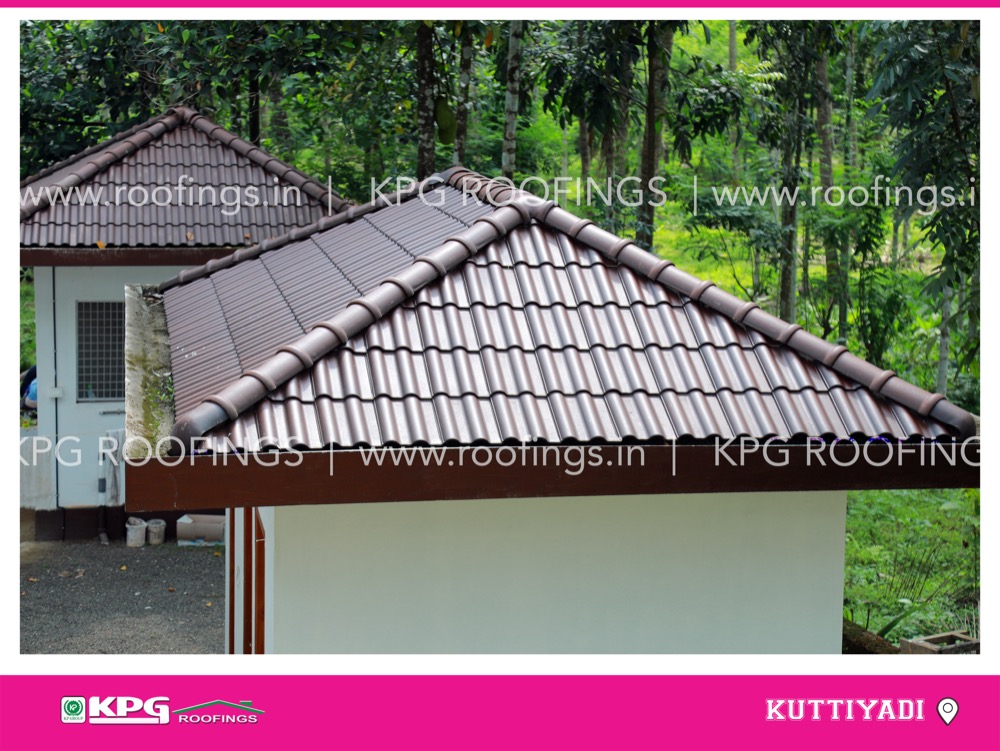
Ceramic Roof tiles – Everything you need to know

Roofing materials vary widely, each with its unique properties and suitability for different environmental conditions and architectural styles. Common roofing materials include asphalt shingles, metal, wood shakes, slate, and clay / ceramic roof tiles. Among these, ceramic roof tiles stand out due to their durability, fire resistance, and thermal insulation properties. These tiles are particularly prevalent in regions with hot climates or those prone to wildfires because of their ability to reflect heat and resist fire.

Ceramic roof tiles have quietly become one of the most preferred roofing materials in modern residential architecture. Known for their sleek profiles, low water absorption, and durability, they are redefining how roofs are designed and built in regions with demanding weather conditions.

Unlike traditional clay tiles, ceramics are engineered with precision. Every tile comes out of the manufacturing line with uniform shape, smooth surfaces, and a high-temperature finish that gives it strength and resistance to algae, water, and fading. This combination of technology and timeless design is what makes ceramic roof tiles stand out today.

FeatureCeramic Tiles 🏡Concrete Tiles 🧱Metal Sheets 🪨Shingles 🧩
Durability⭐⭐⭐⭐⭐⭐⭐⭐⭐⭐
Aesthetic Appeal⭐⭐⭐⭐⭐⭐⭐⭐⭐
Heat Resistance⭐⭐⭐⭐⭐⭐⭐⭐
MaintenanceLowMediumHighHigh
Lifespan30+ years10–15 years10–12 years12–15 years

HISTORY

The history of ceramic tiles dates back to ancient civilizations, with the earliest examples found in the Middle East around 4,000 BC. These tiles were initially used in monumental architecture, such as temples and palaces, mainly for their durability and ease of maintenance. The Egyptians were known to use ceramic tiles extensively, and they introduced glazing techniques to add decorative elements to their buildings.

In Europe, ceramic tiles became popular during the Middle Ages, especially in Spain and Portugal, where they were used not only on roofs but also extensively in interiors for both decorative and functional purposes. The technique of glazing ceramic tiles was refined during the Islamic period, with intricate designs and vibrant colors becoming hallmarks of Islamic architectural decor.

During the Renaissance, ceramic roof tiles spread throughout Europe, with Italy becoming a significant center for innovative tile design and production. The popularity of these tiles continued to grow, adapting to various architectural styles from Baroque to Victorian. Each era brought its stylistic adaptations, making ceramic tiles a key element in historical and modern architecture.

Ceramic tiles have not only adorned countless homes and buildings through the centuries but have also evolved with technology to meet modern needs, including energy efficiency and environmental sustainability. This historical and functional depth contributes significantly to the ongoing popularity of ceramic tiles in global architecture.

Manufacturing Process of Ceramic Roof Tiles

You can watch the video first to get a basic idea on how ceramic roof tiles are made

Raw Materials

The primary material used in the production of ceramic roof tiles is clay. This clay is typically sourced locally and can vary in quality and composition, affecting the properties of the finished tiles. Some manufacturers blend different types of clay to achieve specific characteristics, such as color consistency or increased strength. Additives such as feldspar, quartz, and small amounts of metal oxides can be mixed with the clay to enhance color and functionality.

Forming

The forming process begins with the preparation of the clay, which involves mixing and kneading to ensure uniformity and eliminate air pockets. The clay is then shaped into tiles using one of several methods:

  • Extrusion: Clay is forced through a mold to form the basic shape, which is then cut into individual tiles.
  • Pressing: Clay is pressed into molds manually or mechanically, making it possible to create intricate designs and textures.
  • Slip casting: Used for more complex shapes, this method involves pouring a liquid clay mixture into plaster molds.

Drying

Once shaped, the tiles are dried to remove moisture. This is a critical stage as uneven drying can lead to warping or cracking. The drying process typically takes place in a controlled environment where humidity and temperature are carefully regulated.

Glazing

Glazing is optional and is used to create a waterproof layer on the tiles and to add color or texture. The glaze is a liquid glass coating applied to the surface of the tiles, which melts and fuses to the clay body upon firing.

Firing

The final step is firing the tiles in a kiln at temperatures ranging from 1,000°C to 1,200°C. Firing vitrifies the clay, making the tiles strong, dense, and resistant to water penetration. The high temperatures also ensure that the glaze adheres properly, creating a glossy finish that enhances the tile’s aesthetic appeal and durability.

The manufacturing process of ceramic roof tiles is both an art and a science, involving precise control over materials and environmental conditions to produce a product that is not only beautiful but also stands the test of time. The following sections will delve deeper into the different types of ceramic tiles available and their specific benefits and applications.

The difference between ceramic and traditional clay tiles begins right at the manufacturing stage. Clay tiles are shaped and fired in ways that often lead to slight variations in size and thickness. These natural imperfections give them a rustic charm but also make them less predictable in performance.

Ceramic tiles are fired at higher temperatures, giving them a dense, non-porous surface. They are also made without legs or hangers, which are common in clay tiles. This structural change creates a slim, refined look and allows for better alignment on rooftops. Their low porosity ensures that they absorb very little water, making them suitable for monsoon climates and coastal regions.

The Engineering Behind the Installation

One of the most distinctive characteristics of ceramic tiles is their lack of legs. Clay tiles traditionally use these legs to rest and interlock on the purlins. Ceramic tiles rely on another system altogether — a precise hanging technique using stainless steel nails or rivets.

These fasteners serve as invisible legs, holding the tiles securely in place and preventing any sliding or movement. The spacing and placement of nails are calculated carefully to distribute weight and maintain alignment across the entire roof. Because they are made of stainless steel, these nails resist rust and corrosion, ensuring they perform well over decades of exposure to rain, humidity, and heat.

In regions with harsher weather — especially high-wind zones — screws are sometimes preferred over nails. Screws provide additional anchoring strength, which is particularly useful for coastal and storm-prone areas. While they make installation more secure, they can make future tile replacement a bit more laborious. Accessing a screwed tile often requires removing the tiles above it before unscrewing and replacing it.

For this reason, many installers use a hybrid method. Nails are used in standard areas for easier maintenance, and screws are installed at the roof’s edges, ridges, or wind-exposed sides to give the structure more strength.

The Role of Roof Slope in Waterproofing

Ceramic tiles themselves are highly water resistant, but no roof tile is entirely waterproof on its own. A large part of waterproofing depends on how well the roof is designed, and slope plays the most important role.

An ideal slope of around 30 degree allows rainwater to flow quickly off the surface. If the slope is too low, water can accumulate and find its way beneath the tiles. If the slope is too steep, tiles may need additional fastening to resist uplift forces. A balanced slope creates a controlled, natural flow that keeps the structure dry and prevents leakage over time.

This slope works in harmony with underlayment — the protective sheet installed beneath the tiles. A good underlayment acts as a second shield, catching any moisture that slips past the tiles and directing it toward drainage points. Flashing around valleys, skylights, chimneys, and ridges seals the most vulnerable areas where leaks are most likely to occur. When these elements are combined correctly, a ceramic roof can handle heavy rains with ease.

Algae Resistance

What Algae Resistance Really Means

Algae resistance in ceramic roof tiles refers to the material’s ability to minimize algae growth on its surface. Thanks to their non-porous, dense structure, ceramic tiles make it difficult for algae to take root and spread.

However, “algae-resistant” does not mean “algae-proof.” While the material discourages growth, environmental factors can still lead to surface discoloration. This is purely cosmetic and not a sign of poor quality or infection.

Why Do Algae Stains Appear on Ceramic Roof Tiles?

  • Environmental Conditions: In humid or shaded areas, algae spores (especially Gloeocapsa magma) thrive in moisture and can settle on the surface.
  • Airborne Spores: Algae spores travel through air and can land on even algae-resistant tiles.
  • Dust & Nutrients: A thin layer of organic debris or dust on tiles can create a nutrient base, allowing algae to grow.

Surface-Level Growth — Not Infection

Unlike porous materials, ceramic tiles don’t allow algae to penetrate.

  • Non-Porous Surface: Fired at high temperatures, ceramic tiles have a smooth, dense finish that algae can’t root into.
  • High Density: No crevices for rhizoids to attach.
  • Easy Removal: Simple cleaning with low-pressure washing or mild detergent is usually enough to remove the stains.
  • No Chemical Reaction: Algae do not damage or react with the ceramic surface.

Important: Algae on ceramic roof tiles is surface-level and temporary. It does not compromise tile quality, structure, or durability.

Material Comparison: Ceramic, Clay, and Cement

Different roof tile materials offer different benefits and challenges. Clay tiles are traditional, aesthetically warm, and often used for heritage-style homes, but they are heavier and more porous. Cement tiles are more affordable and easy to produce but can absorb more water and are prone to algae growth.

Ceramic tiles combine the best of both worlds: the visual appeal of clay with the strength and performance of engineered materials. Their water absorption rate is typically between 0% and 6%, significantly lower than clay or cement. They are lighter, require less maintenance, and maintain their finish for a much longer time.

Waterproofing as a System

A leak-free roof doesn’t depend on tiles alone. It’s the result of a complete system working together. Tiles shed most of the water, underlayment catches what remains, flashing protects vulnerable areas, and slope ensures that water doesn’t stagnate.

This is why the installation process is just as important as the tile itself. A perfectly manufactured tile will underperform if it’s placed on a poorly designed roof. Conversely, even in heavy rainfall, a well-installed ceramic roof performs quietly and efficiently, without demanding constant repairs.

Benefits of Clay Ceiling Tiles Under the Roof

Many modern homes pair ceramic roof tiles with clay ceiling tiles to create a double-layer structure. These ceiling tiles are installed beneath the roof structure to cover the underside, creating a neat, finished interior look.

The air gap between the roofing layer and the ceiling tiles allows hot air to dissipate naturally. This improves air circulation and regulates indoor temperature. It’s an especially effective solution in warm and humid climates, where the goal is to keep the house cool without excessive use of air conditioning.

Clay ceiling tiles also add visual warmth to interiors. The natural terracotta tone blends with both traditional and modern architectural styles, making the space look grounded and cohesive. Because clay is a natural insulator, the combination of ceramic roofing above and clay ceiling tiles below offers exceptional comfort.

Durability and Walking on Roof Tiles

Ceramic roof tiles are strong, but like any roofing material, they are not designed to be walked on frequently. Pressure applied in the wrong way — especially on edges or unsupported sections — can dislodge or damage tiles.

Glazed white clay tiles, which are often used in combination with ceramic tiles, can withstand loads of up to 400 kg in lab conditions. But that doesn’t mean it’s safe to walk on them casually. Wet or mossy tiles are slippery, and the risk of accidents increases on sloped surfaces.

If access to the roof is necessary for maintenance, it should be done with proper safety measures such as harnesses, non-slip footwear, and weight distribution boards. Unnecessary roof traffic should always be avoided to maintain the structure’s longevity.

Maintenance and Cleaning

Ceramic roofs require less maintenance than most other roofing systems, but regular care helps preserve their appearance and function. A light cleaning once or twice a year is usually enough to keep algae and dust under control. This can be done with mild detergent and low-pressure water, avoiding abrasive methods that could damage the surface glaze.

Gutters and downspouts should be kept clear so water can flow freely during heavy rains. Flashings and ridge areas should be checked periodically to ensure that sealants and overlaps remain intact. When these simple steps are followed, ceramic roofs can easily last for three to five decades with minimal intervention.

Cost and Long-Term Value

While ceramic tiles may cost more initially than cement or untreated clay tiles, their long lifespan and low maintenance requirements make them cost-effective over time. Cheaper materials often lead to frequent repairs, algae treatments, or even premature replacement.

Ceramic tiles are built to endure harsh weather conditions, making them a smart investment for those who prefer a one-time roofing solution rather than recurring costs. Their refined appearance also adds to the property’s aesthetic value and can increase its resale appeal.

Sustainability and Environmental Impact

Ceramic tiles are made from natural clay and are fully recyclable. Their insulating properties contribute to lower energy consumption, especially in hot climates. By keeping the house cooler, they help reduce dependence on air conditioning.

Their durability also contributes to sustainability by reducing waste over time. A roof that lasts decades does not need frequent replacement, which means less material is consumed and less waste is generated.

Real-World Applications

Ceramic roof tiles adapt well to a variety of settings. They perform strongly in coastal regions where high humidity and salt exposure can damage many other materials. They are equally effective in tropical monsoon zones with heavy seasonal rainfall, where waterproofing and drainage are critical.

They also work well in urban residential projects that require a combination of aesthetics, lightweight structure, and longevity. Their clean lines and smooth finishes give modern homes a distinctive look, while their durability ensures long-term performance without constant upkeep.

Roof Safety Considerations

The strength of ceramic tiles doesn’t make roofs immune to damage caused by unsafe handling. Workers accessing the roof should use proper walk boards, distribute weight evenly, and avoid stepping on unsupported tile edges. Inspections and repairs should be planned during dry weather to minimize slip hazards.

Routine checks should focus on flashing points, valleys, and ridges — these are the places where water infiltration is most likely if any seal is compromised. Preventive attention to these details often eliminates the need for larger repairs later.

Design and Aesthetic Flexibilit

One of the major reasons ceramic tiles are gaining popularity is their ability to fit multiple architectural styles. Their slim and uniform profiles give designers flexibility to create modern, minimalist roofs, while their glazed finishes maintain the charm associated with more classic tile roofing.

They are available in a wide range of colors, from warm terracotta tones to elegant black, grey, and natural earth shades. This allows homeowners to coordinate their roof with the overall design language of their house, whether contemporary or traditional.

Thermal Comfort and Energy Efficiency

A ceramic roof contributes to indoor comfort by reflecting a significant amount of solar radiation. The dense, glazed surface prevents excessive heat buildup. When combined with proper ventilation and, in many cases, clay ceiling tiles, this results in a cooler interior temperature during hot seasons.

This passive cooling effect can significantly reduce energy use for air conditioning, lowering utility bills and contributing to a more sustainable living environment. Unlike metal roofing, which can trap and radiate heat, ceramic tiles create a stable thermal barrier.

Structural Load and Lightweight Advantage

Despite their strength, ceramic tiles are lighter than cement tiles, reducing the load on the roof structure. This gives architects and builders more freedom to design without over-engineering support structures. It also makes ceramic roofs suitable for both new constructions and renovations of older buildings.

Lightweight roofing materials can also lead to lower overall construction costs because they reduce the amount of reinforcement required. This practical benefit often offsets part of the initial cost difference between ceramic and more economical tile options.

Durability in Different Climates

The weather resistance of ceramic tiles makes them suitable for diverse climate zones. In coastal regions, their resistance to salt and moisture prevents corrosion and surface degradation. In humid tropical climates, their low porosity and algae resistance make maintenance simpler. In cooler or high-altitude regions, they handle temperature variations without cracking or warping.

Their firing process makes them less prone to thermal expansion, which means fewer structural issues over time compared to tiles that absorb moisture. This reliability has made them a go-to choice in many modern building projects.

Installation Quality and Long-Term Performance

The best tile in the world can perform poorly if installed incorrectly. Proper installation ensures that the slope, underlayment, flashing, and fastening systems work together as one integrated system. The precision of ceramic tiles allows installers to achieve clean alignment, consistent overlaps, and proper water channels, all of which determine the roof’s final performance.

Professionals often recommend planning installation during favorable weather conditions to ensure proper adhesion and sealing. Adequate ventilation beneath the roof can also help maintain temperature balance and reduce condensation.

Aesthetics Beyond Functionality

A ceramic roof does more than protect. It defines the silhouette of a house. The uniform, glossy finish creates a visual identity that can’t be replicated with sheet metal or concrete. Over time, the way ceramic tiles age gracefully — retaining their color and shape — adds to the structure’s character rather than taking away from it.

This is why ceramic tiles are increasingly chosen not only for their functional benefits but also for their contribution to architectural beauty. They bring together strength and refinement in a way that other materials rarely do.

Making the Right Choice

Choosing the right roofing material depends on local climate, budget, desired appearance, and the homeowner’s expectations for maintenance. Ceramic roof tiles are ideal for those looking for long-term durability, water resistance, minimal upkeep, and a clean, elegant look.

They’re well suited for both contemporary builds and traditional designs, for coastal as well as inland regions, and for residential, resort, or villa projects that need to combine beauty with performance.

Long-Term Perspective

A roof isn’t something that should need constant attention. The best roofing systems are those that can withstand decades of changing weather with minimal intervention. Ceramic tiles provide this balance through material science, installation precision, and aesthetic flexibility.

They require less frequent cleaning, are resistant to algae and moisture, and don’t warp or crack easily. This makes them a practical, reliable, and beautiful choice for homeowners and builders alike.

What is the average price of roof tiles in India ?

The pricing of roof tiles vary according to the materials and brands. Please see the below price list to get an idea

ITEMAvg Price
Traditional Clay Roof tiles₹37
Red Clay Roof tile₹90 – ₹120
Concrete roof tiles₹45- ₹60
Chinese ceramic roof tiles₹36
White clay roof tiles₹50 – ₹60

Read : https://www.roofings.in/blog/roof-tiles-price-list-in-kerala-india/

You can refer to our article on roof tile pricing to know more about the price and quality of different tiles in india

Which roof tiles are the cheapest in India ?

In the vast marketplace of roofing materials, every buyer’s priorities differ, shaping their choices based on budget constraints, quality needs, and specific project requirements. Here, we’ll delve into the economical options offered by KPG Roofings, as well as alternatives provided by semi-brands like EURO and P BRAND, and even explore the viability of Chinese branded roof tiles for cost-focused projects.

red stone shingles roof tile

Optimal Affordability with KPG Roofings

For those looking for a blend of affordability and reliability in roofing, KPG Roofings presents a commendable option with products like Jasper Lite and classic tiles.

KPG classic roof tiles is most sold roof tiles in india. The classic model alone have been sold more quantity than any other roof tile brands in india

This range is designed to offer the practical benefits of durability and aesthetic appeal, while being priced more economically than premium models. Classic by KPG Roofings stands out as an ideal choice for homeowners who seek a middle ground between top-tier and low-cost roof tiles.

Semi-Brands: A Smart Compromise

When budget constraints tighten but a certain level of quality is still required, semi-brands like EURO and P BRAND become particularly attractive.

These brands have established themselves as reliable alternatives, offering products that meet essential quality standards without the premium price tag. They serve well for those who need dependable roofing solutions that won’t break the bank but still provide longevity and aesthetic value.

Chinese Brands: Lowest Cost Options

For situations where pricing is of the utmost importance—such as in projects by contractors who are constructing homes for sale and merely require the functional benefits of colored roof tiles—the Chinese brands like Elephant, TC Roof Tile, AV Roof Tiles, and Sun Roof Tiles could serve as the most cost-effective solution.

These brands are especially suitable where the quality of the tiles is not the primary concern but rather the immediate cost and visual appeal.

Choosing Chinese branded tiles can be more advantageous than opting for the old practice of painting traditional terracotta tiles. While painted terracotta can initially seem like a budget-friendly option, the longevity and maintenance issues often make it less desirable.

Chinese tiles, on the other hand, offer better color retention and strength compared to painted terracotta, making them a superior choice for budget projects where appearance still matters.

Try not to go for chinese brands unless you are a contractor who wants nothing but just coloured roof tiles on the home.

Making the Right Choice

In making a decision on which roof tiles to purchase, consider the following:

  • For balanced quality and price: KPG Roofings’ Jasper Lite or classic offers a reputable, cost-effective solution.
  • For strict budgets with a quality requirement: Semi-brands like EURO and P BRAND provide a reliable middle path.
  • For the lowest possible investment or short-term projects: Chinese brands are the most economical, offering functional benefits with acceptable aesthetics.

Each option caters to different needs and budgets, allowing you to choose based on your specific circumstances—whether you’re investing in a home you’ll live in for years, selling a newly constructed house, or managing costs for large-scale residential developments.

By understanding the implications of each choice—taking into account the total cost of ownership, including maintenance and replacement costs—you can make informed decisions that align both with your financial limitations and your long-term satisfaction with your home.

Is it safe to walk on Roof tiles?

While most roof tiles are not designed to withstand the pressure and movement of someone walking on them, white clay tiles, especially those that are glazed and specifically designed for higher load-bearing capacity, can be an exception to some extent.

Walking on roof tiles is generally not recommended because it poses safety risks and can damage the tiles. Roof tiles, especially those made of materials like clay or concrete, are designed to protect the structure from the elements and are not typically built to withstand the weight and movement of a person walking on them.

Here are some reasons and considerations regarding the safety of walking on roof tiles:

1. Fragility of Tiles:

  • Clay and Concrete Tiles: These materials can be brittle. The weight of a person walking on them can cause cracking or breaking, leading to costly repairs.
  • Slate Tiles: Although very durable, slate tiles can also be slippery and can crack under pressure.
  • Metal Tiles: While metal tiles are more durable, they can be slippery, especially when wet, and can be dented if walked on.
  • White clay tiles that are glazed and engineered to have a high load-bearing capacity of up to 5000 N or 400 KGs can withstand more weight and pressure compared to standard roof tiles. This makes them more suitable for bearing the weight of a person.

2. Safety Risks:

  • Slip Hazard: Roof tiles, especially when wet or covered in moss or algae, can be very slippery, increasing the risk of falls.
  • Steep Slopes: Many roofs have steep slopes, making walking on them inherently risky.
  • Height: The risk of serious injury from falling off a roof is high, and safety equipment is essential if walking on a roof is absolutely necessary.

3. Structural Damage:

  • Walking on tiles can dislodge or damage them, leading to leaks and other structural problems in the roof.

4. Voiding Warranty:

  • Many manufacturers’ warranties or insurance policies will not cover damage caused by walking on the roof, as this is considered avoidable damage.

White Clay Tiles (Glazed with High Load-Bearing Capacity)

  1. Increased Durability: White clay tiles that are glazed and engineered to have a high load-bearing capacity of up to 5000 N or 400 KGs can withstand more weight and pressure compared to standard roof tiles. This makes them more suitable for bearing the weight of a person.
  2. Slippery Surface: Despite their strength, these tiles can still be slippery, especially when wet. The glazed surface, while offering aesthetic appeal and water resistance, can increase the risk of slipping.
  3. Walking with Caution: If you need to walk on these tiles, it’s essential to tread carefully. Use shoes with good grip, walk slowly, and avoid making sudden movements to minimize the risk of slipping.

Best Practices for Walking on Roof Tiles (Especially Glazed White Clay Tiles)

If walking on the roof is necessary (for inspection, maintenance, or repair), and you have high-load-bearing glazed white clay tiles, the following precautions should still be taken:

  1. Use Safety Equipment: Employ safety gear such as a harness, and consider using a roof ladder or walking boards to distribute weight evenly across the tiles.
  2. Professional Assistance: If possible, it’s best to hire professionals who have the experience and equipment to safely navigate and work on roofs.
  3. Mind the Weather: Avoid walking on the roof during adverse weather conditions. Wet, windy, or icy conditions can make even the most robust tiles dangerously slippery.
  4. Walk Carefully: Even with tiles that have a high load-bearing capacity, it’s crucial to walk gently, distribute your weight evenly, and avoid concentrated pressure on individual tiles.

So, while high-load-bearing glazed white clay tiles offer more durability and can technically withstand the weight of a person, it’s imperative to approach the situation with caution. Safety should always be the priority, and the potential for slipping, along with the risk of damaging even these more robust tiles, means that walking on your roof should always be approached with careful consideration and appropriate safety measures.

Clay Ceiling Tiles + Roof tiles: The Artistic and Functional Upgrade for Indian Homes

In the realm of home construction and interior design, every detail contributes to the overall ambiance and functionality of a living space. In Indian homes, where aesthetics and practicality are equally valued, the choice of ceiling material is crucial. Clay Roof ceiling tiles, laid beneath the roof tiles, are emerging as a preferred choice for discerning homeowners. These tiles are not only visually appealing but also serve a multitude of functional benefits. Let’s delve deeper into the world of clay ceiling tiles and understand why they are an ideal complement to roof tiles, especially in the diverse climatic conditions of India.

The Elegance of Clay Roof Ceiling Tiles

Clay ceiling tiles are crafted from natural clay, exuding a rustic charm that adds a warm, earthy tone to the interior of a home. These tiles are designed to be installed directly under the roof tiles, ensuring that the underside of the roof remains concealed. This creates a clean and finished look from the interior perspective, avoiding the often less aesthetically pleasing view of the bottom side of roof tiles.

Multifaceted Benefits of Clay Ceiling Tiles

  1. Aesthetic Harmony: Clay ceiling tiles offer a seamless visual transition from the exterior to the interior, maintaining the traditional architectural aesthetics prevalent in many Indian homes. The natural terracotta color of clay tiles can complement a wide range of interior color schemes and design themes.
  2. Enhanced Air Circulation: The strategic placement of clay ceiling tiles beneath the roof tiles creates an air gap. This gap is pivotal in promoting air circulation, a feature especially beneficial in the hot and dry regions of India. The air acts as an insulating layer, reducing the direct heat transfer from the roof tiles to the living spaces below.
  3. Temperature Regulation: Clay has natural insulating properties, and the additional air gap between the roof and ceiling tiles further enhances this effect. The process of the roof tiles heating up, the air in the gap warming, and then the ceiling tiles gradually radiating heat ensures a slow and reduced heat transfer into the room. This keeps the interior cooler during the hot summer days and contributes to a comfortable living environment.
  4. Durability and Longevity: Clay is known for its durability and can withstand the test of time and weather. Clay ceiling tiles, much like their roof tile counterparts, are resistant to the elements, ensuring that they remain a long-lasting and cost-effective solution for homeowners.
  5. Eco-Friendly Choice: Being made from natural materials, clay ceiling tiles are an eco-friendly option. They contribute to sustainable living by minimizing the carbon footprint, aligning with the growing global emphasis on environmentally conscious building practices.

Choosing the Right Clay Ceiling Tiles

When selecting clay ceiling tiles, consider the following to ensure they meet your home’s design and functional needs:

  1. Compatibility with Roof Tiles: Ensure that the ceiling tiles complement your roof tiles in terms of material, color, and design, to achieve a cohesive look.
  2. Room Specifications: Factor in the dimensions and the specific needs of each room. Areas prone to higher moisture levels, like kitchens and bathrooms, might require additional considerations.
  3. Installation Expertise: Proper installation is crucial to maximize the benefits of clay ceiling tiles. Engage with professionals who have experience in fitting these specific types of tiles.

Conclusion

Clay ceiling tiles, paired with roof tiles, offer more than just aesthetic enhancement for Indian homes. They bring a blend of traditional elegance and modern functionality. The natural insulation, coupled with improved air circulation, makes these tiles an intelligent choice for homeowners looking to create a comfortable, stylish, and sustainable living space. As you contemplate your next home renovation or construction project, consider the timeless appeal and practical benefits of clay ceiling tiles. They are not just an addition to your home, but an investment in a cooler, more comfortable, and visually pleasing living environment.

Are Roof Tiles Waterproof? What is Water absorption and water resistance or water proofing ?

When it comes to building or renovating a house, one of the crucial elements that demand attention is the roofing system. Roofing not only adds aesthetic appeal to a structure but also serves as the primary line of defense against the elements. Among the various roofing materials available, roof tiles have been a popular choice for centuries. But are roof tiles truly waterproof? In this article, we will delve into the world of roof tiles to unveil the truth about their waterproofing capabilities.

1. Understanding Roof Tiles

Before we can determine whether roof tiles are waterproof, it’s essential to comprehend the different types of roof tiles commonly used in construction.

1.1. Ceramic Roof Tiles

Ceramic roof tiles, often recognized for their durability and aesthetic appeal, exhibit low water absorption rates. On average, ceramic tiles have a water absorption rate ranging from 0% to 6%. This means that they can absorb a minimal amount of moisture when exposed to rain or other forms of precipitation. The low water absorption of ceramic tiles contributes to their ability to provide excellent waterproofing when installed correctly.

1.2. Cement Roof Tiles

Cement roof tiles, a popular choice due to their affordability and durability, typically have a higher water absorption rate compared to ceramic tiles. On average, cement tiles can absorb up to 15% of their weight in water. While this absorption rate is higher than that of ceramic tiles, cement tiles are engineered with additives and coatings to minimize water infiltration. Proper installation practices, including overlapping and flashing, play a crucial role in ensuring the waterproofing of cement roofs.

1.3. Clay Roof Tiles

Clay roof tiles, known for their natural appearance and insulation properties, tend to have the highest water absorption rate among roofing materials. On average, clay tiles can absorb up to 25% of their weight in water. While this rate is comparatively higher, clay tiles also rely on proper installation and overlapping techniques to prevent water from penetrating beneath the tiles. Additionally, clay tiles are often designed with improved profiles and coatings to enhance their water resistance.

2. Installation Matters

Regardless of the type of roof tiles used, the key to achieving waterproof roofing lies in the installation process. Roof tiles, whether clay or concrete, are not inherently waterproof by themselves. Instead, their ability to keep water out of your home relies on the installation technique.

2.1 Roof Underlayment

The first line of defense against water infiltration is the roof underlayment. A high-quality underlayment, typically made of asphalt-saturated felt or synthetic materials, is essential. It acts as a secondary barrier to prevent water from seeping through the gaps between tiles.

  • Sealing Vulnerable Areas: Underlayment is strategically placed in vulnerable areas, including roof valleys, eaves, and intersections, where water is more likely to penetrate. It acts as a watertight shield in these critical zones.
  • Water Shedding: In the event that water does infiltrate the tile surface, underlayment helps redirect moisture away from the roof’s interior. This prevents water from reaching the underlying decking and insulation.
  • Protection During Installation: Underlayment safeguards the roofing structure during the tile installation process. It ensures that any temporary water penetration does not harm the underlying components.

2.2 Proper Overlapping

During installation, each row of tiles should overlap the row below it. This overlapping design creates a natural drainage system, channeling rainwater away from vulnerable areas.

2.3 Flashing and Ridge Tiles

Proper flashing installation around roof penetrations like chimneys, vents, and skylights is crucial. Ridge tiles, placed at the peak of the roof, also play a role in preventing water infiltration.

3. Maintenance is Key

Even with the best installation, no roofing system can remain waterproof without regular maintenance.

3.1 Inspection

Regular inspections of your roof are necessary to identify and address any damaged or displaced tiles promptly. Broken or missing tiles can compromise the waterproofing of your roof.

3.2 Cleaning

Keeping your roof clean of debris, moss, and algae growth is vital. These elements can trap moisture and deteriorate the tiles over time.

3.3 Repairs

Promptly repair any damaged tiles or flashing to maintain the integrity of your roof.

CONCLUSION

In conclusion, the extent to which roof tiles are waterproof depends on various factors, including the type of roofing material and proper installation practices. While no roofing material is entirely impermeable, ceramic tiles tend to have the lowest water absorption rates, followed by cement and clay tiles. The key to effective waterproofing lies in selecting the right roofing material for your specific needs and ensuring that it is installed correctly. Regular maintenance and prompt repairs further enhance the long-term waterproofing performance of your roof

NOTABLE MENTIONS :

Understanding Water Absorption

Water absorption in roof tiles refers to the amount of moisture a tile can retain. While some tiles are engineered to be highly water-resistant, none are entirely waterproof. Even tiles marketed as “waterproof” have a certain degree of water absorption, typically measured as a percentage.

This absorption may result in occasional, subtle tints of absorbed water. It’s essential to recognize that these tints are usually barely noticeable and have no significant impact on the functionality or aesthetics of the tiles.

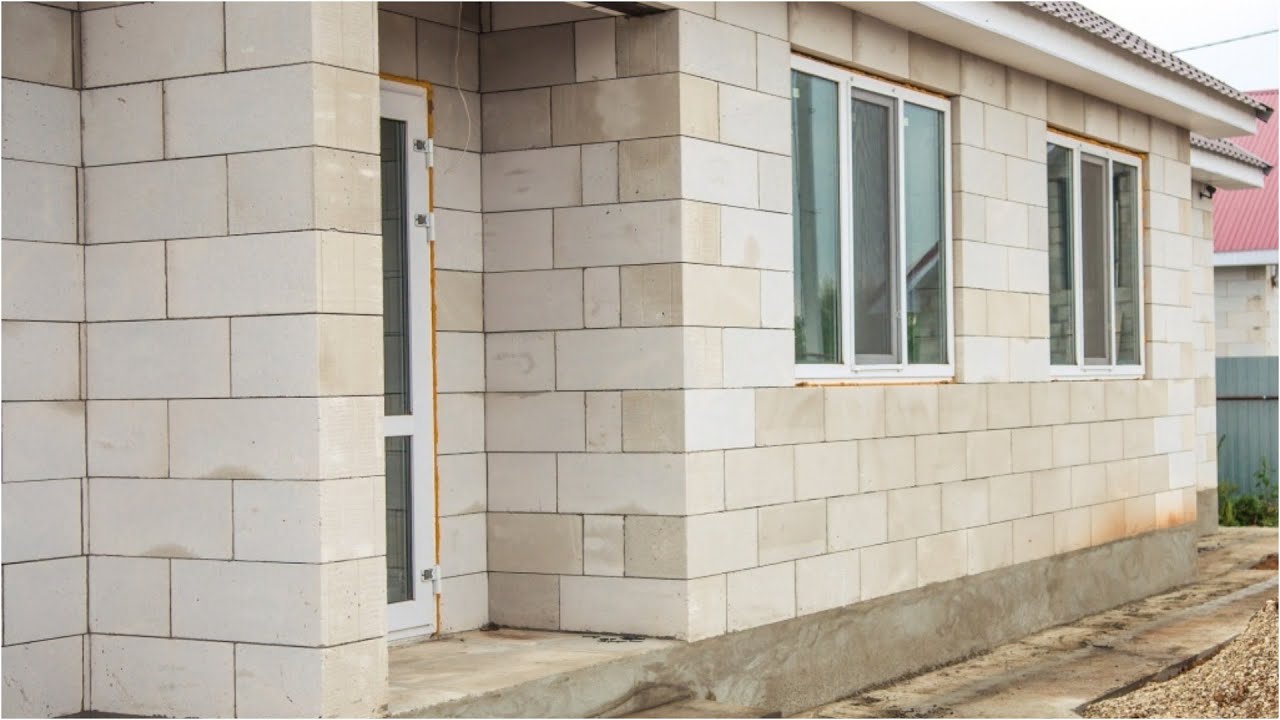
AAC blocks – What and where to AAC blocks buy in kerala

Construction materials have evolved greatly over the years, and AAC blocks are one of the recent developments. AAC blocks, also known as Autoclaved Aerated Concrete blocks, have become increasingly popular in the construction industry for their many benefits. In this article, we will discuss the production process, advantages, and disadvantages of AAC blocks, as well as their future and alternatives.

What are AAC Blocks?

AAC blocks are made of a mixture of cement, lime, fly ash, water, and an aerating agent. The aerating agent can be aluminum powder or paste. The mixture is then poured into molds and allowed to cure for a certain period of time before being autoclaved at high pressure and temperature. The autoclaving process causes the blocks to expand and form air pockets, which gives them their characteristic lightweight and porous structure.

Advantages of AAC Blocks:

AAC blocks have several advantages, making them a popular choice in construction. Here are some of the key advantages:

A. Lightweight and Easy to Handle

AAC blocks are lightweight, weighing only about one-third of traditional clay bricks or laterite stone. They are easy to handle and transport, which can save time and labor costs during construction.

B. High Strength

AAC blocks are strong and durable, with compressive strength ranging from 3-4 N/mm2 to 7-8 N/mm2. This makes them ideal for load-bearing walls and other structural components.

C. Thermal Insulation

AAC blocks have excellent thermal insulation properties, with a thermal conductivity of 0.15-0.2 W/mK. This means they can help reduce energy costs by keeping buildings warm in winter and cool in summer.

D. Sound Insulation

AAC blocks also have excellent sound insulation properties, with a sound reduction index of up to 45 decibels. This makes them ideal for use in buildings located in noisy areas or where soundproofing is required.

E. Fire Resistance

AAC blocks are highly resistant to fire, with a fire rating of up to 4 hours. This makes them a safe and reliable choice for use in buildings.

F. Pest Resistant

AAC blocks are pest resistant, as they are not a food source for pests like termites. This reduces the risk of pest infestations and damage to buildings.

G. Eco-Friendly

AAC blocks are eco-friendly, as they are made of fly ash, a byproduct of coal-fired power plants, which would otherwise be disposed of as waste. Using fly ash in the production of AAC blocks helps reduce the amount of waste sent to landfills, making them a sustainable choice.

Production Process of AAC Blocks:

The production process of AAC blocks involves the following steps:

A. Raw Material Preparation:

The raw materials, including cement, lime, fly ash, water, and an aerating agent, are weighed and mixed in a slurry.

B. Mixing and Pouring:

The slurry is poured into molds of various sizes and shapes, which are then left to cure for a certain period of time.

C. Cutting:

The cured blocks are cut to size using a wire cutting machine or a band saw.

D. Autoclaving:

The cut blocks are then placed in an autoclave, where they are exposed to high pressure and temperature. This causes the blocks to expand and form air pockets, which give them their characteristic lightweight and porous structure.

Disadvantages of AAC Blocks:

While AAC blocks have many advantages, there are also some disadvantages to consider. Here are some of the key disadvantages:

  • Higher initial cost compared to traditional clay bricks
  • Limited availability in some regions
  • Requires skilled labor for installation
  • May require additional insulation in extremely cold climates

Future of AAC Blocks

AAC blocks have been gaining popularity in recent years, and the demand for them is expected to continue to rise in the future. As the construction industry continues to focus on sustainable and eco-friendly building materials, AAC blocks are likely to become even more popular.

In addition to their eco-friendliness, AAC blocks also offer a number of other advantages, such as their lightweight and high strength. This makes them ideal for use in construction projects of all kinds, from residential buildings to large commercial structures.

As the technology used in the production of AAC blocks continues to improve, it is likely that the cost of production will decrease. This will make AAC blocks even more affordable and accessible to a wider range of builders and construction companies.

Sustainable Development with AAC Blocks

The use of AAC blocks is not only environmentally friendly, but it can also contribute to sustainable development. Since AAC blocks are made from natural materials, they do not produce any harmful emissions during production or use.

Furthermore, the lightweight nature of AAC blocks means that they require less energy to transport and install, reducing the carbon footprint of construction projects that use them.

The thermal insulation properties of AAC blocks also make them ideal for use in buildings that require less energy for heating and cooling. This can help to reduce energy consumption and lower utility costs, contributing to more sustainable building practices.

Alternatives to AAC Blocks

While AAC blocks offer many advantages, they may not be suitable for every construction project. There are several alternatives to AAC blocks, including traditional concrete blocks, clay bricks, and timber.

Each of these alternatives has its own unique set of advantages and disadvantages, and builders should carefully consider the specific needs of their project when selecting a building material.

Conclusion

AAC blocks are an innovative and eco-friendly building material that offer many advantages over traditional building materials. Their lightweight nature, high strength, and thermal insulation properties make them ideal for a wide range of construction projects.

While there are some disadvantages to AAC blocks, the benefits they offer make them an increasingly popular choice among builders and construction companies. As technology continues to improve and the demand for sustainable building materials grows, AAC blocks are likely to become even more prevalent in the construction industry.

Roof tiles Vs Roofing shingles

The roof is one of the most important parts of any home, and it is essential to choose the right roofing material to ensure that it is strong, durable, and able to withstand the elements.

Two of the most popular options on the market today are roof tiles and shingles. Most of the home owners are stuck in a dilemma where they should try for roof tiles or go for roofing shingles. At KPG, we often see this issues, as we are selling both the products in our shtores.

In this article, we will compare these two roofing materials and provide insights into the benefits and drawbacks of each, helping homeowners to make an informed decision when choosing the best material for their home.

We also encourage you to share your thoughts and experiences in the comments below!

Appearance

When it comes to appearance, both roof tiles and shingles have their unique charm. Roof tiles have a classic, elegant look that can complement various architectural styles. They come in different colors, textures, and styles, from Mediterranean to Spanish and more. On the other hand, shingles have a dual tone, modern and sleek appearance that can work well with contemporary and traditional homes alike. They are available in various colors and designs

So, which material do you find more attractive? Do you prefer the timeless look of roof tiles or the modern feel of shingles? Share your thoughts in the comments below.

Durability

When it comes to durability, both materials are strong and long-lasting. Roof tiles can last for over a century, as they are made of clay with ceramic coating. They can withstand harsh weather conditions, such as strong winds, heavy rain, and even hail. Moreover, they are fire-resistant and eco-friendly, as they can be recycled and reused.

Shingles, on the other hand, have a shorter lifespan, typically between 15 to 30 years. They are made of asphalt, fiberglass, or wood, and can also withstand various weather conditions. However, they are not as resistant to hail as roof tiles, and can also be damaged by extreme heat or cold.

Is durability an important factor for you when choosing a roofing material? Do you prefer a material that can last for decades or one that is more affordable to replace every few years? Let us know in the comments below.

Cost

Cost is another significant factor to consider when choosing a roofing material. The cost of roof tiles can range from Rs. 50 to Rs. 180 per square foot, while shingles can cost between 100 to 200 per square foot.

However, the cost of installation can also affect the final price. Roof tiles require more labor and time to install, as they are heavier and more complex to handle. This means that the installation cost can be higher than that of shingles, which are lighter and easier to install.

So, which factor is more important to you when it comes to cost?

Installation

Shingles are generally easier to install compared to roof tiles and require less manpower for installation. They can be installed quickly and efficiently, making them a popular choice for homeowners looking to save time. This normally happens as some home owners starts roofing only days before the house warming.

Additionally, shingles can be installed on a wider range of roof pitches compared to roof tiles, which can be limited by their weight and shape. The domes of mosques and churches, Most of the aesthetically designed arches etc can be installed by shingles only. Roof tiles cannot be used in such structures.

On the other hand, roof tiles require a skilled team of professionals to ensure proper installation. The weight of roof tiles can also make installation more challenging and time-consuming. However, once properly installed, roof tiles can last for many decades with little to no maintenance required.

Maintenance

Maintenance is an important factor to consider when choosing between roof tiles and shingles. Shingles are more prone to dust and algae being settled on them due to their rugged abrasive surface and the granules. This can make them appear dirty and discolored over time, requiring regular cleaning and maintenance to keep them looking their best.

In contrast, roof tiles with ceramic coating will always remain clean and maintain their original appearance for years to come. While roof tiles may require occasional maintenance such as cleaning, they are generally much easier to maintain compared to shingles.

Weight

Weight is another important factor to consider when choosing between roof tiles and shingles. Roof tiles are heavier compared to shingles, which can make installation more challenging and require additional structural support. For example, a KPG classic tile, the most sold roof tile in India, weighs around 2.5 kilograms per square foot, while shingles are much lighter in weight.

Additionally, the weight of roof tiles can impact the overall cost of installation and it require strong base or frame work to hold it. On the other hand, shingles are lightweight and can be installed on a wider range of structures without requiring additional support.

Conclusion

In conclusion, both roof tiles and shingles have their pros and cons. While shingles may be easier and less expensive to install, roof tiles are generally more durable and require less maintenance over time. The decision between roof tiles and shingles ultimately comes down to individual preferences and priorities.

When considering factors such as appearance, durability, cost, installation, maintenance, and weight, homeowners should carefully weigh the advantages and disadvantages of each option. By doing so, they can make an informed decision that meets their unique needs and preferences.

So, what do you think? Are you a fan of the classic look of roof tiles, or do you prefer the modern aesthetic of shingles? Do you prioritize durability and longevity, or are cost and ease of installation your top concerns? Let us know in the comments below!

We hope this article has been helpful in your search for the perfect roofing material for your home. If you have any questions or would like more information, please don’t hesitate to reach out to us. We’re always here to help you make an informed decision about your home’s roofing needs.

KPG is dealing with the most sold roof tiles and most sold roofing shingles brands in india. Both the products are available across all the KPG stores in the country. The customer can visit the store and compare them hand in hand, if they are still in confusion.

The Pros and Cons of Different Roof Tile Materials

Roof tiles are one of the most important components of a building’s roof. They play a crucial role in protecting the structure from weather conditions and enhancing the aesthetic appeal of the building. There are different types of roof tile materials available in the market, each with its own advantages and disadvantages. In this article, we will discuss the most popular roof tile materials, including clay, concrete, slate, and metal, and their pros and cons.

Clay Tiles

Clay tiles are one of the oldest and most popular types of roof tile materials. They are made of natural clay that is baked in a kiln. Clay tiles are known for their durability, fire resistance, and aesthetic appeal. They come in a variety of shapes, sizes, and colors, making them a versatile option for different architectural styles.

Pros:

  • Durability: Clay tiles are known for their durability and can last for up to 100 years or more if maintained properly. They can withstand extreme weather conditions, such as heavy rain, snow, and hail.
  • Aesthetic appeal: Clay tiles are available in a wide range of colors, shapes, and sizes, allowing homeowners to choose a design that suits their taste and complements their home’s architecture.
  • Heat resistant : Clay tiles, white clay or red clay, will resist heat to a great extend and always makes your roof cool
  • Energy efficient : These tiles reflects heats and doesn’t allow heat to normally pass through it. So it can be highly energy efficient
  • Fire resistance: Clay tiles are fire-resistant and can help prevent the spread of fire in case of an outbreak. This is a particularly important feature in areas with high wildfire risk.
  • Noise resistance: Clay tiles are noise-resistant and can help prevent the noise of rain or outside noise entering your home

Cons:

  • Cost: Clay tiles are one of the expensive roof tile materials, which can be a major drawback for homeowners on a tight budget.
  • Heavy weight: Clay tiles are relatively heavy, which means that the roof structure needs to be strong enough to support their weight. This can increase the overall cost of the roof construction. KPG classic roof tiles, The most sold roof tiles in india, weights around 2.5 Kg per square feet
  • Fragility: Clay tiles can be fragile and may break or crack if they are not handled carefully during installation or maintenance.

Concrete Tiles

Concrete tiles are another popular type of roof tile material. They are made of cement, sand, and water, and are available in a variety of colors and shapes. Concrete tiles are known for their durability, energy efficiency, and affordability.

Pros:

  • Affordability: Concrete tiles are more affordable than clay tiles, which makes them a popular choice for homeowners on a budget.
  • Durability: Eventhough not durable as clay tiles, Concrete tiles are durable and can last for up to 20 years or more. They can withstand extreme weather conditions and are resistant to fire and insects.
  • Fire resistance: Concrete tiles are fire-resistant and can help prevent the spread of fire in case of an outbreak. This is a particularly important feature in areas with high wildfire risk.
  • Noise resistance: concrete tiles are noise-resistant and can help prevent the noise of rain or outside noise entering your home

Cons:

  • Weight: Concrete tiles are heavier than clay roof tiles, which means that the roof structure needs to be strong enough to support their weight.
  • Color fading: Concrete tiles may fade over time due to exposure to sunlight and weather conditions, which can affect their aesthetic appeal.
  • Maintenance: Concrete tiles require regular maintenance, such as cleaning and coating, to prevent algae and mold growth and maintain their color and texture.

Slate Tiles

Slate tiles are made of natural stone and are known for their beauty, durability, and fire resistance. They come in a range of colors and are popular in traditional and historical architectural styles. Slate tiles are commonly used in areas with cold temperature

Pros:

  • Durability: Slate tiles are one of the most durable roof tile materials and can last for up to 100 years or more. They are resistant to fire, insects, and weather conditions.
  • Aesthetic appeal: Slate tiles have a natural and unique beauty that can enhance the architectural style of the building. They are available in a variety of colors, patterns, and textures.
  • Eco-friendly: Slate tiles are made of natural stone and are considered a sustainable and eco-friendly roofing material.

Cons:

  • Cost: Slate tiles are one of the most expensive roof tile materials, which can be a major drawback for homeowners
  • Weight: Slate tiles are one of the most heavy roofing material and require a strong roof structure to support their weight. This can increase the overall cost of the roof construction.
  • Fragility: Slate tiles can be fragile and may break or crack if they are not handled carefully during installation or maintenance.

Metal Tiles

Metal tiles are made of various metals, such as steel, aluminum, and copper, and are known for their durability, energy efficiency, and aesthetic appeal. They are available in a variety of colors and shapes and are popular in modern and contemporary architectural styles. Sandwich panels are now the most popular type of metal tiles

Pros:

  • Durability: Metal tiles are durable and can last longer or more. They are resistant to fire, insects, and weather conditions and can withstand high winds and hail.
  • Cost: Metal tiles are less expensive than clay and slate tiles. They can be a good option for homeowners who want a durable and stylish roof material within a lower budget.

Cons:

  • Noise: Metal tiles can be noisy during heavy rain or hail, which can be a concern for some homeowners.
  • Denting: Metal tiles can dent if they are hit by a heavy object, such as a falling tree branch or hail. This can affect their aesthetic appeal and durability.
  • Aesthetically not appealing for homes

Conclusion

Choosing the right roof tile material is an important decision for homeowners. Each material has its own advantages and disadvantages, and it is important to consider factors such as durability, cost, energy efficiency, aesthetic appeal, and maintenance requirements when making a decision.

Clay tiles are a durable and fire-resistant option with a wide range of design options, but they can be expensive and heavy. Concrete tiles are an affordable option, but they are not reliable as they require regular maintenance and may fade over time. Slate tiles are a sustainable and aesthetically appealing option, but they are expensive and heavy. Metal tiles are a economical option with good energy efficiency, but they can be noisy and prone to denting.

By understanding the pros and cons of each roof tile material, homeowners can make an informed decision and choose the best material for their roofs based on their needs and preferences.

Roofing Tiles and Nailing: Nails or screws ? Do You Really Need It?

When it comes to roofing, every component has its unique purpose and contribution to the overall structure’s stability. One such element that often raises questions is the use of nails in hanging ceramic roof tiles. Unlike traditional clay tiles, ceramic tiles don’t have legs or hangers to support their weight. So, how do these tiles stay in place, and why might they still require nails, even if they’re not nailed down?

There’s often a debate: nails or screws? While these tiles are designed to interlock and stay in place, some situations call for extra measures. Let’s dive into the world of fasteners and find out what works best.

The Anatomy of Ceramic Roof Tiles

Ceramic roof tiles are celebrated for their enduring strength and visual charm. Unlike traditional clay tiles, ceramics are the result of a specialized manufacturing process that imparts uniformity and slimness to their shape. This uniqueness is achieved by eliminating the legs or hangers typically found on clay tiles, which are integral for their support and spacing during installation.

The Challenge: The Absence of Legs

With no legs or hangers to rely on, ceramic tiles face a distinctive challenge: how to remain firmly in position. Unlike clay tiles that interlock or depend on their hangers for stability, ceramic tiles must find an alternative means of secure attachment.

Nails: The Silent Saviors

To solve the “no legs” problem, ceramic tiles often call in the cavalry – nails. But don’t worry; these nails aren’t there to nail the tiles down like you might hammer a picture frame. Instead, they’re like the invisible legs that these tiles never had

  • Hanging Tiles: Roofing professionals employ stainless steel nails or rivets to hang ceramic tiles. These nails step into the role of invisible legs, bearing the tiles’ weight and averting any unruly shifts or untimely descents.
  • Spacing and Strength: The strategic placement and well-calculated spacing of these nails are pivotal. They ensure each tile enjoys adequate support and uniform placement, thus bolstering the stability of the entire roofing structure.

corrosion resistance

An essential consideration when using nails in ceramic roofing is their composition: stainless steel. The preference for stainless steel nails arises from their exceptional resistance to rust and corrosion. Roofing tiles, including ceramic ones, face exposure to the elements, including rain and moisture. Opting for stainless steel nails acts as a shield against rust-related woes, preserving the roof’s long-term resilience.

Screws: Another choice

In regions with harsh weather conditions or exceptionally strong winds, screws are sometimes chosen over nails. These robust fasteners offer added stability, which can be a game-changer in extreme environments. These tiles can be screwed to the purlins and this will give it more strength and support. If we hang with just nails in these areas, it may fly off.

Screws: Pros and Cons

While screws can provide exceptional strength, they come with their own set of challenges. One significant drawback is their accessibility. Picture this: you need to replace a single tile at the bottom of your roof. If screws hold your tiles in place, you’re in for a bit of a puzzle.

To access that troublesome tile, you’ll first need to remove all the tiles stacked on top of it. It’s like taking apart a stack of books just to reach the one at the bottom. Once the top tiles are off, you can unscrew the problem tile, replace it, and then reinstall all the tiles above. Why? Because the screwing area of the bottom tiles is covered by the tile above, making them inaccessible without some deconstruction.

Also screwing is a hazardous task and takes up much time. so most of the time, the labours suggest to install it by hanging with nails or screws or rivets, which are corrosion resistant.

conclusion

While ceramic roof tiles aren’t typically nailed or screwed down in the traditional sense, there are circumstances where these fasteners come into play. Nails are the time-tested choice, offering reliability and rust resistance. Screws provide additional strength, especially in areas with extreme weather. However, they can be a headache when it comes to tile replacement. The best approach depends on your location, the skill level of your installation team, tile thickness, and the desired level of stability. In some scenarios, a combination of both nails and screws might be the ultimate solution, offering durability and ease of maintenance. So, when it comes to securing ceramic roof tiles, the choice isn’t always black and white – sometimes, it’s nails and screws.