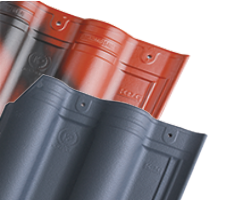
Are Roof Tiles Waterproof? What is Water absorption and water resistance or water proofing ?

When it comes to building or renovating a house, one of the crucial elements that demand attention is the roofing system. Roofing not only adds aesthetic appeal to a structure but also serves as the primary line of defense against the elements. Among the various roofing materials available, roof tiles have been a popular choice for centuries. But are roof tiles truly waterproof? In this article, we will delve into the world of roof tiles to unveil the truth about their waterproofing capabilities.

1. Understanding Roof Tiles

Before we can determine whether roof tiles are waterproof, it’s essential to comprehend the different types of roof tiles commonly used in construction.

1.1. Ceramic Roof Tiles

Ceramic roof tiles, often recognized for their durability and aesthetic appeal, exhibit low water absorption rates. On average, ceramic tiles have a water absorption rate ranging from 0% to 6%. This means that they can absorb a minimal amount of moisture when exposed to rain or other forms of precipitation. The low water absorption of ceramic tiles contributes to their ability to provide excellent waterproofing when installed correctly.

1.2. Cement Roof Tiles

Cement roof tiles, a popular choice due to their affordability and durability, typically have a higher water absorption rate compared to ceramic tiles. On average, cement tiles can absorb up to 15% of their weight in water. While this absorption rate is higher than that of ceramic tiles, cement tiles are engineered with additives and coatings to minimize water infiltration. Proper installation practices, including overlapping and flashing, play a crucial role in ensuring the waterproofing of cement roofs.

1.3. Clay Roof Tiles

Clay roof tiles, known for their natural appearance and insulation properties, tend to have the highest water absorption rate among roofing materials. On average, clay tiles can absorb up to 25% of their weight in water. While this rate is comparatively higher, clay tiles also rely on proper installation and overlapping techniques to prevent water from penetrating beneath the tiles. Additionally, clay tiles are often designed with improved profiles and coatings to enhance their water resistance.

2. Installation Matters

Regardless of the type of roof tiles used, the key to achieving waterproof roofing lies in the installation process. Roof tiles, whether clay or concrete, are not inherently waterproof by themselves. Instead, their ability to keep water out of your home relies on the installation technique.

2.1 Roof Underlayment

The first line of defense against water infiltration is the roof underlayment. A high-quality underlayment, typically made of asphalt-saturated felt or synthetic materials, is essential. It acts as a secondary barrier to prevent water from seeping through the gaps between tiles.

  • Sealing Vulnerable Areas: Underlayment is strategically placed in vulnerable areas, including roof valleys, eaves, and intersections, where water is more likely to penetrate. It acts as a watertight shield in these critical zones.
  • Water Shedding: In the event that water does infiltrate the tile surface, underlayment helps redirect moisture away from the roof’s interior. This prevents water from reaching the underlying decking and insulation.
  • Protection During Installation: Underlayment safeguards the roofing structure during the tile installation process. It ensures that any temporary water penetration does not harm the underlying components.

2.2 Proper Overlapping

During installation, each row of tiles should overlap the row below it. This overlapping design creates a natural drainage system, channeling rainwater away from vulnerable areas.

2.3 Flashing and Ridge Tiles

Proper flashing installation around roof penetrations like chimneys, vents, and skylights is crucial. Ridge tiles, placed at the peak of the roof, also play a role in preventing water infiltration.

3. Maintenance is Key

Even with the best installation, no roofing system can remain waterproof without regular maintenance.

3.1 Inspection

Regular inspections of your roof are necessary to identify and address any damaged or displaced tiles promptly. Broken or missing tiles can compromise the waterproofing of your roof.

3.2 Cleaning

Keeping your roof clean of debris, moss, and algae growth is vital. These elements can trap moisture and deteriorate the tiles over time.

3.3 Repairs

Promptly repair any damaged tiles or flashing to maintain the integrity of your roof.

CONCLUSION

In conclusion, the extent to which roof tiles are waterproof depends on various factors, including the type of roofing material and proper installation practices. While no roofing material is entirely impermeable, ceramic tiles tend to have the lowest water absorption rates, followed by cement and clay tiles. The key to effective waterproofing lies in selecting the right roofing material for your specific needs and ensuring that it is installed correctly. Regular maintenance and prompt repairs further enhance the long-term waterproofing performance of your roof

NOTABLE MENTIONS :

Understanding Water Absorption

Water absorption in roof tiles refers to the amount of moisture a tile can retain. While some tiles are engineered to be highly water-resistant, none are entirely waterproof. Even tiles marketed as “waterproof” have a certain degree of water absorption, typically measured as a percentage.

This absorption may result in occasional, subtle tints of absorbed water. It’s essential to recognize that these tints are usually barely noticeable and have no significant impact on the functionality or aesthetics of the tiles.

White clay Ceramic Roof tiles – An ultimate guide

As a human being, one of our most important necessities is shelter. A home is where our life begins and ultimately ends. It is where we spent most of our life. So, it is not surprising that we tend to take a lot of time on deciding on how our dream home should come out.

A house will never be a house without a good roofing. When it comes to roofing, there is a wide variety of choices available to us. One of the best choices available to us is using roofing tiles.

What is a roof tile ?

A roof tile is a type of tile made from natural products primarily to protect your roof. As a human, one of our basic need is shelter. Our shelter is where we live most of our life.

It is where our children grow up and we grow old. It is where we share our bread and love. It is our most priceless possession – Our home! Well, The roof is the crown of your home.

grey roof tile beautiful view

That is why it is important to study a little about the roof and apparently about the roof tiles before you begin life at your own house.

You can read more about the different types of roof tiles here

When were roof tiles invented?

The history of roof tiles traced back to the history of human settlements. The clay tiles have been said to be used in china from around 10,000 BC [1]. It was spread out to the middle east in a little while and then the trend was carried across to the world.

The old Roman civilizations and their remains show us that roof tiles were extensively used over ancient Rome and Greece. Clay tiles were an important part of the Egyptian and Babylonian civilizations.

England was infamous for its encouragement to use clay roof tiles inside the city. After the Great Fire of London, The city was remodeled and structures with fire retardent capacity were preferred by the King and the people alike.

This brought in a lot of interest on the clay tiles. Clay tiles were having a relatively long life and fire resistance than the normal hay roof and wooden roofs. This bought in a huge boost in the roofing tiles market in Europe.

You can read about the complete history of roof tiles here

The clay tile was popular in Indian constructions also, notably due to their capacity to resist heat and water. The Mangalore roof tiles were famous in India and even today the Marseille roof tiles are called as Mangalore roof tiles in India. 

By 2010, The globalization bought in the highly superior White burning clay tiles to the Indian market. This slowly captured the market due their superiority to traditional clay tiles in the water absorption, resistance to algae, colour life, weightlessness etc.

Roofing tiles have become a very famous and widely used technique nowadays for roofing. The use of these tiles can be seen even in our ancestral homes and the ultra-modern homes designed today.

Why roofing Tiles?

Roof tiles offers the ultimate protection to your roof, and your homes. Roof tiles help the roof to survive the harsh weather conditions, keep out the rain and protect the home.

The use of roofing tiles helps to keep our homes protected from all types of weather. In South India, we are often faced with the harsh sun during our Summer seasons.

This is reportedly peaking at an 11 UV Index which is quite high compared to the normal 5 UV Index and so, all of our homes face the risk of heating up during summer.

During Monsoons, we have rich amounts of rain with a nonstop downpour for days. All these climatic conditions take its toll on our roofs.

We must do our best in keeping our roofs in the best condition. This can be achieved with the help of using roofing tiles.

It helps in keeping your homes cool during the summer and less humid at monsoon. Made from clay, these roofing tiles are specially designed to withstand all that nature has to throw on your houses. Below are the major reasons why we roof tiles is important for your roof

1. Heat Resistance

This is one of the main properties of roof tiles. Since clay reduces heat retention, It take long time to heat and resist heat.

As a result, only a fraction of the original heat is passed through the roofing. This will eventually reduce the heat inside the home.

Secondly, the shape of the roofing tiles helps to minimize heat retention further helping us out. The ventilation created due to the use of tiles, the shape of the tiles, the material, the selected colours etc will support in avoiding heat.

2. Reliability

Roof tiles stay around for a long time. They are not damaged easily by severe weather conditions like rain or heat. Roof tiles do not corrode or rust even when exposed to the harshest climates.

This makes it perfect for a place like the south india, where we have a wide variety of climate and geographies. From the cold and windy mountains to the salty seashores, roofing tiles work equally and excellently well.

Roofing tiles are also confronted with strict quality and durability tests to ensure that your roof gets the best protection. Hence they are strong and sturdy. Another factor is that roofing tiles become stronger as they age. clay tiles are stronger when compared to concrete and stand the test of time.

3. Noise cancellation  

Roofing tiles are good for soundproofing. It prevents and reduces sound from entering your homes or offices making sure that you can enjoy your peaceful time without any disturbances from outside.

It can reduce noise by almost 30 decibels which is double the amount of noise reduction provided by various other roofing materials.

This helps prevent sounds from entering your house if you live in a busy neighborhood. You won’t have the disturbance to your sleep on rainy days and finally, rest home without the disturbance at times of rainfall.

4. Fire Resistant

Roofing tiles are fire and heat resistant. They can be safely used in areas that are prone to fires as they provide better insulation. Historically, The roof tiles were promoted in England after Great fire of London on special order of the King. 

5. Energy Efficiency

It has a lower amount of embodied energy compared to other materials. As mentioned before, it reduces heat retention and thus keeps our houses cool.

Due to this, our cooling requirements too may be drastically reduced. With good roofing solutions, they even become stable in cyclones and can stand well even during great wind speeds.  

Let us look at how roof tiles comes in handy during the changing seasons.

How do roof tiles works? How does it protect your homes from summer heat

Summers are often too hot and humid for us to withstand and very often we find our homes heating up like frying pans.

The use of roofing tiles though can reduce this quite a lot. We have already looked ay how roof tiles resist heat.

Firstly, the fact that clay is an excellent heat-resisting material. Clay will Remove heat and keeps what is inside cool.

You can see this trick used in a lot of the hotter states of India and even in hotter parts around the world. Clay pots are often used to store up water which often remains cold even if exposed to harsh sunlight.

This same principle works on our roofs too.

Using roofing tiles can significantly reduce the amount of heat that gets collected by our roof and hence cool our home interior.

Due to the traditional shapes of the roof tiles, all roof tiles have the profile so as to let the airflow below them.

This enables the uninterrupted flow of air through the bottom of the roof tiles, eventually acting as a ventilation technique and cooling the tiles.

This ventilation technique will really help to reduce the heat, as the hottest air is trapped at the topmost layer of the atmosphere.

The hot air in the topmost layer will be taken out by the airflow and less hot air from the bottom layers reach this void, in turn creating the void in the bottom layers for the cold air to flow in.

Roofing tiles during monsoons: 

Roofing tiles have been used for many centuries In Kerala. The rainwater easily flows over the slopes of roof tiles compared to flat roofs.

The tiles also prevent water from collecting unnecessarily on the roof and along with rainwater gutters helps water reach the ground faster hence replenishing groundwater. 

The concrete roof are notoriously famous for leakage and cracks once it is exposed to water. This can be prevented at a very huge extend by the use of roof tiles.

Roof tiles avoid the concrete getting wet and avoid the chances for leakage or cracks and improve the life of your construction. Another huge advantage we can see is the fact it is less prone to fungi and algae being spread and thus affecting the looks of our house and going forward, the strength of our house.

Roof tile designs

Here are some of the roof tile designs from south india. All these are using KPG roof tiles

What is the average price of roof tiles in India ?

The pricing of roof tiles vary according to the materials and brands. Please see the below price list to get an idea

ITEMAvg Price
Traditional Clay Roof tiles₹37
Red Clay Roof tile₹90 – ₹120
Concrete roof tiles₹45- ₹60
Chinese ceramic roof tiles₹36
White clay roof tiles₹50 – ₹60
Read : https://www.roofings.in/blog/roof-tiles-price-list-in-kerala-india/

You can refer to our article on roof tile pricing to know more about the price and quality of different tiles in india

How roof tiles are made?

The white clay roof tiles are made from the white clay available in china with the help of a production line that is well maintained and structured. The roofing tiles are completely machine manufactured with the least amount of human interaction. But don’t worry every part of the production line is maintained and quality checked out by well-trained professionals who make sure that none of the roofing products is below your expectations.

Moulding the clay:

The clay used for the roofing tiles is brought from the best sources to make sure it has the right texture and will stand the test of time. All this clay are laced into moulds and moulded into the tiles using a moulding press of 100 tons. Each tile gets its uniform shape and proportions. Now, the tiles move forward on a conveyor belt along the factory. The moulds are arranged side by side as they move along the conveyors to their next destination.

Colouring for perfection:

            The tiles are batched and ready to be coloured. The colouring phase is split into two phases to make sure you get an even coating of the colour and the best output. In the initial phase, A colour coating provided on the tiles. It is thoroughly made sure that the colours are evenly spread and look lifelike. After the initial phase of colour coating, the tiles are ready for the final glass coating which gives it the shine that only a diamond could challenge. After the tiles get coloured, they continue their journey on the conveyor belt and they head on to the kiln.

Heating in the Kiln:

As the tiles move ahead, the parser intervenes to sort out the tiles. After this, they move along the conveyor belt ready to be baked in the burning hot kiln. Heating the clay makes it sturdy and elongates its lifetime. As the tiles reach the kiln, they are heated at 1200oC. After making sure that every tile is fit for the roof, they move along the long kiln, where they are kept on lower heat slowly giving it time to set so that it doesn’t break or get cracks in them. They move along the conveyor belts as they slowly cool down and get ready to be packaged. 

Packing and Shipping

The workers pack every tile with utmost care so that they reach your homes in one piece. Every single tile are well fit and packed so that shipping and movement or any vibrations associated with shipping doesn’t damage the ties you receive. Now, These tiles are up for sale at our showrooms around India so that you can buy them very easily.

 All this manufacturing process is done by machines without any direct intervention by humans. Don’t worry though every process is cross-checked by dozens of factory workers with their keen eyes to make sure that you get the very best.

Algae Resistance

Algae resistance is a critical feature in roofing materials, particularly for ceramic roof tiles. It’s common to see terms like “algae-resistant” when evaluating roofing products, but understanding what it truly means and why occasional discoloration may still occur is essential. This article explores why green or black algae may appear on ceramic roof tiles and why this is not a cause for concern or an indication of infection.

Algae resistance in ceramic roof tiles refers to the material’s ability to minimize the growth of algae on its surface. Ceramic roof tiles are inherently more algae-resistant due to their non-porous and dense surface, which makes it difficult for algae to take root and spread. However, “algae-resistant” does not mean algae-proof; it means that the material has properties that reduce algae adhesion and make it easier to clean if it appears.

Then Why Do Algae like black stains Appear on Ceramic Roof Tiles?

Despite the algae resistance of ceramic roof tiles, environmental factors can lead to the presence of green or black stains:

  1. Environmental Conditions
    Algae, particularly Gloeocapsa magma (a type of blue-green algae), thrives in humid, damp, and shaded environments. If the roof is exposed to prolonged moisture, especially in areas with limited sunlight, algae spores can settle on the surface.
  2. Airborne Spores
    Algae spores are often airborne and can travel significant distances. They can land on almost any surface, including algae-resistant ceramic tiles. Over time, if the conditions are right, the spores can start to grow, leading to visible stains.
  3. Nutrient Availability
    While ceramic roof tiles are dense and non-porous, dust and organic debris can settle on the surface. This layer can provide nutrients for algae, allowing it to grow even if the ceramic tile itself does not support algae colonization.

1. Surface-Level Growth
The presence of algae on ceramic roof tiles is typically a surface phenomenon. Algae resistance means that while algae may grow on top of the tile, it does not penetrate or adhere deeply into the tile’s material. It is important to understand that algae do not integrate with the ceramic material due to the following reasons:

  • Non-Porous Surface: Ceramic tiles are fired at high temperatures, creating a dense, smooth, and impermeable surface that prevents algae from rooting deeply.
  • High Density: The compact structure of ceramic tiles does not provide pores or crevices where algae rhizoids (root-like structures) can attach.

2. Easy Removal During Cleaning
Algae growth on ceramic tiles is typically easy to remove with simple cleaning techniques, such as low-pressure washing or using a mild detergent. If the algae were an “infection,” deeply embedded into the material, it would not be easily cleaned off with standard methods. This demonstrates that algae on ceramic tiles are surface-level and not indicative of any structural compromise.

3. No Chemical Reaction or Deterioration
Algae on the surface of ceramic tiles do not cause any chemical reaction that would degrade or damage the tile’s structure. The ceramic material’s resistance to moisture, UV light, and temperature variations ensures that algae have no long-term impact on the integrity of the roof.

Common Misconceptions About Algae on Ceramic Roof Tiles

  1. Misconception 1: Stains Means Algae and the product is Poor Quality Tiles
    Seeing black stains on ceramic roof tiles does not mean the product is of low quality or has failed. Algae spores exist in the natural environment, and any material exposed to the right conditions can experience surface-level algae.
  2. Misconception 2: Algae Growth Is an Infection
    Algae “infection” would imply that the algae have penetrated the ceramic material and integrated with its structure. This is not the case with algae-resistant tiles, where the growth is limited to the surface and does not cause deep staining or damage. If Algae is infected, it means the tile is not Algae resistant
  3. Misconception 3: Stains Is Permanent
    Stains on ceramic roof tiles can be easily cleaned off, making it a temporary cosmetic issue rather than a permanent flaw. The tiles’ resistance to algae means they are designed to shed algae efficiently with regular cleaning.

Where to buy Roof tiles ?

Another huge advantage we have is the availability of these tiles and the price.

KPG Roof tiles are available in different price ranges where anyone from a middle class to even a rich person can find a comfortable selection as per choice.

They are also available for bulk order in varying colors to make sure that your home doesn’t lose its cosmetic efficiency and works seamlessly with your color coordination.

The minimum expected life of these branded roof tiles are 35 years so that you don’t need to worry about roofing in the immediate future.

We have several branches in South India from where you can get top-grade roofing tiles at a reasonable cost. They are manufactured in a careful and smartly designed dedicated production line where each roof tile passes through the molding phase, followed by a 3 stage coloring phase.

Each tile is quality checked by our employees and you only get what we believe keeps up your expectations from you. It is made sure that none of the tiles you receive are damaged and have the same quality as any other of the bunch.

What more is that you can get all your requirements right here at our showrooms without having to individually purchase other materials from elsewhere. This helps you by reducing the amount of time you waste as well as providing better offers than anywhere else.

KPG also provides quotations. You can even have our personnel come over and get you a cost estimation well before we start our work. You can avail all this and more with KPG Roofings. It is this trust in us that shelter your homes for a lifetime. Contact us at +91-9562-888-666 to reach our customer care or visit our nearest branch

Reference

  1. https://books.google.co.in/books?id=JNEeKsVkXg0C&pg=PA43&lpg=PA43&dq=roof+tiles+in+china+10000+bc&source=bl&ots=oxlMKmQJ8r&sig=ACfU3U0cnD1bdEm2sUXgfGiDxKBxQo4JEA&hl=en&sa=X&ved=2ahUKEwivhbrAjYbpAhULyDgGHcS3APkQ6AEwAHoECAgQAQ#v=onepage&q=roof%20tiles%20in%20china%2010000%20bc&f=false

Different Type of Roof tiles In Indian Market

There are different type of roofing materials available in the indian market. In this post we are introducing some of the most popular roofing materials, their compositions and advantages and disadvantages of these materials. The popular roofing materials being traditional red clay tiles/teracotta tiles, ceramic tiles, cement / concrete tiles, shingles etc.

Which is the best roof tiles in india ?

As you know, KPG roofings is the best roof tiles brand in india. KPG is the most sold ceramic clay roof tiles in the country and also has the largest roof tile showroom network in india. The major advantages of KPG roof tiles are its durability and colour permanence. But what about the other tiles ? Are they equally good ? What are the pros and cons?

Let us check out different types of roof tiles in indian market.

Traditional clay tile (Teracotta Tiles)

Red clay Tiles are natural and have been the most prominent roofing material since olden times. These tiles are made by burning moulded red clay at a high temperature in the furnace. The toughness and heat resistance makes clay tiles more favoured over shingles, material sheets and so forth. It also gives an antique look and style to the house.

But it has more disadvantages than any other materials. The important one being the failure of the red clay tiles to withstand the seasons. In places where the temperature changes or seasonal changes are frequent, the traditional tiles fails miserably. The tiles gets black shades and will lose its colour to dust, algea and other infections very easily.

Normally, the bright ruddy shade of the red clay blurs within 2-5 years because of the climate conditions. The thickness of red clay is more than the white clay, so more amount of red clay is expected to make the tiles of same strength. Because of this, red clay are ordinarily heavier than white clay and needs more stronger framework to support it. The water absorption of clay tiles are likewise high, since the base material is standard clay itself.

  • Heat resistant
  • Long life span than concrete tiles / roofing sheets
  • Composite of natural red clay
  • Effective covering area is about 0.75 sq. feet per tile
  • Less efficient in varying seasons
  • Vulnerable to algae, fungi and other infections
  • Absorbs more water and take more damage
  • More thicker and heavier
  • needs stronger frame work to hold
  • Colour life approximately about 2-3 years
  • Will need to clean or repair every 2-5 years

Some popular clay tile companies in india are commonwealth tiles and mangalore roof tiles.

Concrete Tiles / Cement tiles

concrete roof tile

The amazing colour ranges of concrete tiles made it common for quite some times. They comes in different colours and profiles and was easily available as the manufacturing is easy. But they lost there market share and lost their reliability due to issues like their heavy weight, need for much heavy truss works, Water leakage and fading colours.

Be that as it may, they are as yet being sold in the market by a few traders and the colour selections pull in clients to these tiles. This tiles likewise includes more warmth inside the house, defeating the core principles rooftop tiles, since it is made of cement.

This will have similar properties of concrete and as exposed to rain and heat, the tile begins to deform. The colour will fade and since it absorb water and moisture, the algea and fungus are common story for them. The bad reputation and low reliability of this tiles has now forced them out of the market and the colour selection is the only attractive factor for this tiles.

These costs around Rs. 50 – 60 in india per piece.

Shingles

roofing shingles photo

These are getting popular nowadays due to their attractive textures and easiness in installing on curved surfaces. They have a base material and ceramic stones/powder is coated in it. They have stylish textures and designs. These can be bent up to 180 degrees and looks good on curved surface. They give attractive and premium looks to the rooftop. The drawbacks are the heat issues and the fading looks. As asphalt is the base materials and the practice of sticking directly prevents the airflow, the hot air is trapped under the roof and it has to penetrate the concrete wall, asphalt gum and the shingles to go out. This increase the room temperature unless strong ventilation is provided. The shingles normally have premium powder coating / stone coating made by ceramic granules. But due to the climatic conditions in India, especially in the coastal states, they are prone to algae and fungus. The material itself is algae resistant, but the rough surface makes it easy for dust particles and other materials to settle down on the shingles surface, which in turn gets affected by algae or fungus. So, these material will look pale and old ( which can be cleaned by washing with a water gun ) in your rooftop. But these can stay premium for quite some time and can stay attractive as long as you maintain it by cleaning. Since these are a premium product, the customers using this tends to have periodic renovations or maintenance.

These costs around Rs. 100-150 based on their quality and colours.

White Clay Roof Tiles

These are becoming more and more popular everyday. The main advantages of white clay roof tiles are that they are baked at extremely high temperature (about 1200 degrees) and pressure (100 ton). They also add minute ceramic particles to increase the strength. They comes in several quality and the first quality brands like KPG ROOFINGS, have triple layer of colour coating. This ensures maximum colour permeability and gives 30 years colour guarantee for the products. They are weather resistant and repels water. This makes them safe from algae and fungus infection. The glass coating ensures that the colour gets maximum life.

  • Durability and have longer life than clay roof tiles
  • Prevents heat
  • Effective covering area of 1 sq. feet per tile
  • KPG tiles are water-proof, fire-proof, rust-proof and weather-proof, making it one of the most durable construction materials.
  • They can withstand any weather and their color does not fade away. KPG roof tiles even offer a 30 year warranty on the color. KPG roof tiles won’t rust, fade, warp, disfigure or corrode.
  • Prevents algae and fungus
  • The base material used to manufacture KPG tiles are natural white clay.
  • Due to KPG tiles being extremely durable, maintenance costs ranges from zero to Zero.
  • KPG Branded tiles are lighter (2.2 kg) than traditional clay tiles (2.8 kg) and have much more density. This ensure the KPG roof tiles are more stronger and durable than clay roof tiles.
  • Load bearing capacity of 250 kgs
  • Visually Stunning and premium looks.
  • Available in 15+ colours.

The amazing looks also adds to the advantages of these rooftiles. There are many other brands also selling medium quality roof tiles . These type of branded tiles are highly preferred in indian market at the current scenario. Make up your mind and purchase from the experts when you are making the ultimate choice.