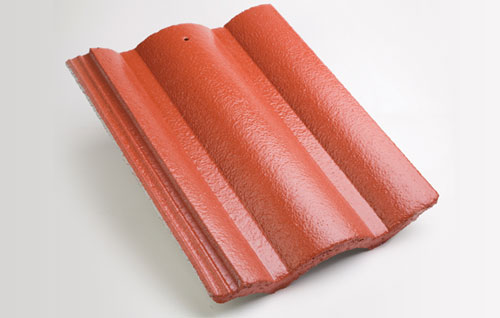
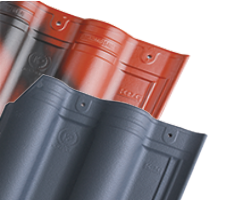
Are Roof Tiles Waterproof? What is Water absorption and water resistance or water proofing ?

When it comes to building or renovating a house, one of the crucial elements that demand attention is the roofing system. Roofing not only adds aesthetic appeal to a structure but also serves as the primary line of defense against the elements. Among the various roofing materials available, roof tiles have been a popular choice for centuries. But are roof tiles truly waterproof? In this article, we will delve into the world of roof tiles to unveil the truth about their waterproofing capabilities.

1. Understanding Roof Tiles

Before we can determine whether roof tiles are waterproof, it’s essential to comprehend the different types of roof tiles commonly used in construction.

1.1. Ceramic Roof Tiles

Ceramic roof tiles, often recognized for their durability and aesthetic appeal, exhibit low water absorption rates. On average, ceramic tiles have a water absorption rate ranging from 0% to 6%. This means that they can absorb a minimal amount of moisture when exposed to rain or other forms of precipitation. The low water absorption of ceramic tiles contributes to their ability to provide excellent waterproofing when installed correctly.

1.2. Cement Roof Tiles

Cement roof tiles, a popular choice due to their affordability and durability, typically have a higher water absorption rate compared to ceramic tiles. On average, cement tiles can absorb up to 15% of their weight in water. While this absorption rate is higher than that of ceramic tiles, cement tiles are engineered with additives and coatings to minimize water infiltration. Proper installation practices, including overlapping and flashing, play a crucial role in ensuring the waterproofing of cement roofs.

1.3. Clay Roof Tiles

Clay roof tiles, known for their natural appearance and insulation properties, tend to have the highest water absorption rate among roofing materials. On average, clay tiles can absorb up to 25% of their weight in water. While this rate is comparatively higher, clay tiles also rely on proper installation and overlapping techniques to prevent water from penetrating beneath the tiles. Additionally, clay tiles are often designed with improved profiles and coatings to enhance their water resistance.

2. Installation Matters

Regardless of the type of roof tiles used, the key to achieving waterproof roofing lies in the installation process. Roof tiles, whether clay or concrete, are not inherently waterproof by themselves. Instead, their ability to keep water out of your home relies on the installation technique.

2.1 Roof Underlayment

The first line of defense against water infiltration is the roof underlayment. A high-quality underlayment, typically made of asphalt-saturated felt or synthetic materials, is essential. It acts as a secondary barrier to prevent water from seeping through the gaps between tiles.

  • Sealing Vulnerable Areas: Underlayment is strategically placed in vulnerable areas, including roof valleys, eaves, and intersections, where water is more likely to penetrate. It acts as a watertight shield in these critical zones.
  • Water Shedding: In the event that water does infiltrate the tile surface, underlayment helps redirect moisture away from the roof’s interior. This prevents water from reaching the underlying decking and insulation.
  • Protection During Installation: Underlayment safeguards the roofing structure during the tile installation process. It ensures that any temporary water penetration does not harm the underlying components.

2.2 Proper Overlapping

During installation, each row of tiles should overlap the row below it. This overlapping design creates a natural drainage system, channeling rainwater away from vulnerable areas.

2.3 Flashing and Ridge Tiles

Proper flashing installation around roof penetrations like chimneys, vents, and skylights is crucial. Ridge tiles, placed at the peak of the roof, also play a role in preventing water infiltration.

3. Maintenance is Key

Even with the best installation, no roofing system can remain waterproof without regular maintenance.

3.1 Inspection

Regular inspections of your roof are necessary to identify and address any damaged or displaced tiles promptly. Broken or missing tiles can compromise the waterproofing of your roof.

3.2 Cleaning

Keeping your roof clean of debris, moss, and algae growth is vital. These elements can trap moisture and deteriorate the tiles over time.

3.3 Repairs

Promptly repair any damaged tiles or flashing to maintain the integrity of your roof.

CONCLUSION

In conclusion, the extent to which roof tiles are waterproof depends on various factors, including the type of roofing material and proper installation practices. While no roofing material is entirely impermeable, ceramic tiles tend to have the lowest water absorption rates, followed by cement and clay tiles. The key to effective waterproofing lies in selecting the right roofing material for your specific needs and ensuring that it is installed correctly. Regular maintenance and prompt repairs further enhance the long-term waterproofing performance of your roof

NOTABLE MENTIONS :

Understanding Water Absorption

Water absorption in roof tiles refers to the amount of moisture a tile can retain. While some tiles are engineered to be highly water-resistant, none are entirely waterproof. Even tiles marketed as “waterproof” have a certain degree of water absorption, typically measured as a percentage.

This absorption may result in occasional, subtle tints of absorbed water. It’s essential to recognize that these tints are usually barely noticeable and have no significant impact on the functionality or aesthetics of the tiles.
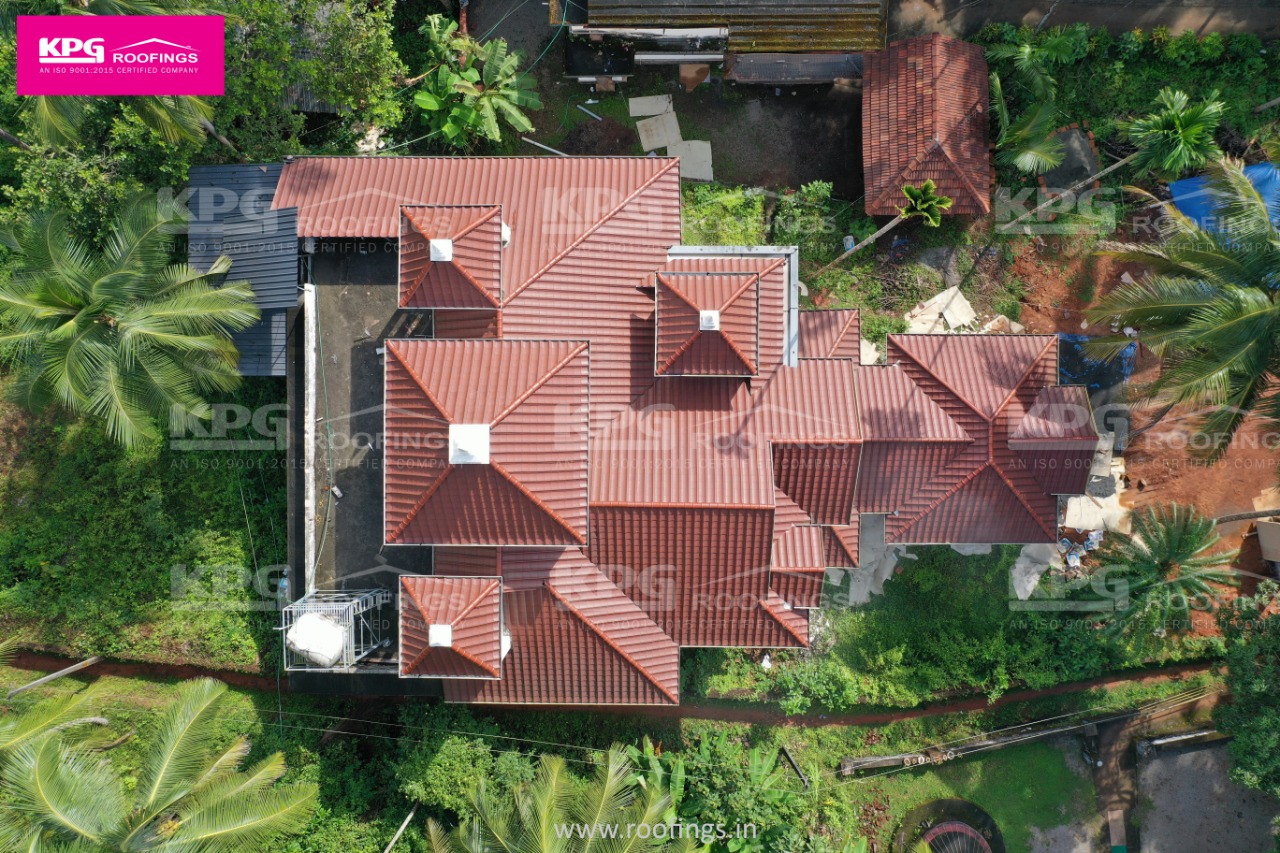
Roof tiles Vs Roofing shingles

The roof is one of the most important parts of any home, and it is essential to choose the right roofing material to ensure that it is strong, durable, and able to withstand the elements.

Two of the most popular options on the market today are roof tiles and shingles. Most of the home owners are stuck in a dilemma where they should try for roof tiles or go for roofing shingles. At KPG, we often see this issues, as we are selling both the products in our shtores.

In this article, we will compare these two roofing materials and provide insights into the benefits and drawbacks of each, helping homeowners to make an informed decision when choosing the best material for their home.

We also encourage you to share your thoughts and experiences in the comments below!

Appearance

When it comes to appearance, both roof tiles and shingles have their unique charm. Roof tiles have a classic, elegant look that can complement various architectural styles. They come in different colors, textures, and styles, from Mediterranean to Spanish and more. On the other hand, shingles have a dual tone, modern and sleek appearance that can work well with contemporary and traditional homes alike. They are available in various colors and designs

So, which material do you find more attractive? Do you prefer the timeless look of roof tiles or the modern feel of shingles? Share your thoughts in the comments below.

Durability

When it comes to durability, both materials are strong and long-lasting. Roof tiles can last for over a century, as they are made of clay with ceramic coating. They can withstand harsh weather conditions, such as strong winds, heavy rain, and even hail. Moreover, they are fire-resistant and eco-friendly, as they can be recycled and reused.

Shingles, on the other hand, have a shorter lifespan, typically between 15 to 30 years. They are made of asphalt, fiberglass, or wood, and can also withstand various weather conditions. However, they are not as resistant to hail as roof tiles, and can also be damaged by extreme heat or cold.

Is durability an important factor for you when choosing a roofing material? Do you prefer a material that can last for decades or one that is more affordable to replace every few years? Let us know in the comments below.

Cost

Cost is another significant factor to consider when choosing a roofing material. The cost of roof tiles can range from Rs. 50 to Rs. 180 per square foot, while shingles can cost between 100 to 200 per square foot.

However, the cost of installation can also affect the final price. Roof tiles require more labor and time to install, as they are heavier and more complex to handle. This means that the installation cost can be higher than that of shingles, which are lighter and easier to install.

So, which factor is more important to you when it comes to cost?

Installation

Shingles are generally easier to install compared to roof tiles and require less manpower for installation. They can be installed quickly and efficiently, making them a popular choice for homeowners looking to save time. This normally happens as some home owners starts roofing only days before the house warming.

Additionally, shingles can be installed on a wider range of roof pitches compared to roof tiles, which can be limited by their weight and shape. The domes of mosques and churches, Most of the aesthetically designed arches etc can be installed by shingles only. Roof tiles cannot be used in such structures.

On the other hand, roof tiles require a skilled team of professionals to ensure proper installation. The weight of roof tiles can also make installation more challenging and time-consuming. However, once properly installed, roof tiles can last for many decades with little to no maintenance required.

Maintenance

Maintenance is an important factor to consider when choosing between roof tiles and shingles. Shingles are more prone to dust and algae being settled on them due to their rugged abrasive surface and the granules. This can make them appear dirty and discolored over time, requiring regular cleaning and maintenance to keep them looking their best.

In contrast, roof tiles with ceramic coating will always remain clean and maintain their original appearance for years to come. While roof tiles may require occasional maintenance such as cleaning, they are generally much easier to maintain compared to shingles.

Weight

Weight is another important factor to consider when choosing between roof tiles and shingles. Roof tiles are heavier compared to shingles, which can make installation more challenging and require additional structural support. For example, a KPG classic tile, the most sold roof tile in India, weighs around 2.5 kilograms per square foot, while shingles are much lighter in weight.

Additionally, the weight of roof tiles can impact the overall cost of installation and it require strong base or frame work to hold it. On the other hand, shingles are lightweight and can be installed on a wider range of structures without requiring additional support.

Conclusion

In conclusion, both roof tiles and shingles have their pros and cons. While shingles may be easier and less expensive to install, roof tiles are generally more durable and require less maintenance over time. The decision between roof tiles and shingles ultimately comes down to individual preferences and priorities.

When considering factors such as appearance, durability, cost, installation, maintenance, and weight, homeowners should carefully weigh the advantages and disadvantages of each option. By doing so, they can make an informed decision that meets their unique needs and preferences.

So, what do you think? Are you a fan of the classic look of roof tiles, or do you prefer the modern aesthetic of shingles? Do you prioritize durability and longevity, or are cost and ease of installation your top concerns? Let us know in the comments below!

We hope this article has been helpful in your search for the perfect roofing material for your home. If you have any questions or would like more information, please don’t hesitate to reach out to us. We’re always here to help you make an informed decision about your home’s roofing needs.

KPG is dealing with the most sold roof tiles and most sold roofing shingles brands in india. Both the products are available across all the KPG stores in the country. The customer can visit the store and compare them hand in hand, if they are still in confusion.

Different Type of Roof tiles In Indian Market

There are different type of roofing materials available in the indian market. In this post we are introducing some of the most popular roofing materials, their compositions and advantages and disadvantages of these materials. The popular roofing materials being traditional red clay tiles/teracotta tiles, ceramic tiles, cement / concrete tiles, shingles etc.

Which is the best roof tiles in india ?

As you know, KPG roofings is the best roof tiles brand in india. KPG is the most sold ceramic clay roof tiles in the country and also has the largest roof tile showroom network in india. The major advantages of KPG roof tiles are its durability and colour permanence. But what about the other tiles ? Are they equally good ? What are the pros and cons?

Let us check out different types of roof tiles in indian market.

Traditional clay tile (Teracotta Tiles)

Red clay Tiles are natural and have been the most prominent roofing material since olden times. These tiles are made by burning moulded red clay at a high temperature in the furnace. The toughness and heat resistance makes clay tiles more favoured over shingles, material sheets and so forth. It also gives an antique look and style to the house.

But it has more disadvantages than any other materials. The important one being the failure of the red clay tiles to withstand the seasons. In places where the temperature changes or seasonal changes are frequent, the traditional tiles fails miserably. The tiles gets black shades and will lose its colour to dust, algea and other infections very easily.

Normally, the bright ruddy shade of the red clay blurs within 2-5 years because of the climate conditions. The thickness of red clay is more than the white clay, so more amount of red clay is expected to make the tiles of same strength. Because of this, red clay are ordinarily heavier than white clay and needs more stronger framework to support it. The water absorption of clay tiles are likewise high, since the base material is standard clay itself.

  • Heat resistant
  • Long life span than concrete tiles / roofing sheets
  • Composite of natural red clay
  • Effective covering area is about 0.75 sq. feet per tile
  • Less efficient in varying seasons
  • Vulnerable to algae, fungi and other infections
  • Absorbs more water and take more damage
  • More thicker and heavier
  • needs stronger frame work to hold
  • Colour life approximately about 2-3 years
  • Will need to clean or repair every 2-5 years

Some popular clay tile companies in india are commonwealth tiles and mangalore roof tiles.

Concrete Tiles / Cement tiles

concrete roof tile

The amazing colour ranges of concrete tiles made it common for quite some times. They comes in different colours and profiles and was easily available as the manufacturing is easy. But they lost there market share and lost their reliability due to issues like their heavy weight, need for much heavy truss works, Water leakage and fading colours.

Be that as it may, they are as yet being sold in the market by a few traders and the colour selections pull in clients to these tiles. This tiles likewise includes more warmth inside the house, defeating the core principles rooftop tiles, since it is made of cement.

This will have similar properties of concrete and as exposed to rain and heat, the tile begins to deform. The colour will fade and since it absorb water and moisture, the algea and fungus are common story for them. The bad reputation and low reliability of this tiles has now forced them out of the market and the colour selection is the only attractive factor for this tiles.

These costs around Rs. 50 – 60 in india per piece.

Shingles

roofing shingles photo

These are getting popular nowadays due to their attractive textures and easiness in installing on curved surfaces. They have a base material and ceramic stones/powder is coated in it. They have stylish textures and designs. These can be bent up to 180 degrees and looks good on curved surface. They give attractive and premium looks to the rooftop. The drawbacks are the heat issues and the fading looks. As asphalt is the base materials and the practice of sticking directly prevents the airflow, the hot air is trapped under the roof and it has to penetrate the concrete wall, asphalt gum and the shingles to go out. This increase the room temperature unless strong ventilation is provided. The shingles normally have premium powder coating / stone coating made by ceramic granules. But due to the climatic conditions in India, especially in the coastal states, they are prone to algae and fungus. The material itself is algae resistant, but the rough surface makes it easy for dust particles and other materials to settle down on the shingles surface, which in turn gets affected by algae or fungus. So, these material will look pale and old ( which can be cleaned by washing with a water gun ) in your rooftop. But these can stay premium for quite some time and can stay attractive as long as you maintain it by cleaning. Since these are a premium product, the customers using this tends to have periodic renovations or maintenance.

These costs around Rs. 100-150 based on their quality and colours.

White Clay Roof Tiles

These are becoming more and more popular everyday. The main advantages of white clay roof tiles are that they are baked at extremely high temperature (about 1200 degrees) and pressure (100 ton). They also add minute ceramic particles to increase the strength. They comes in several quality and the first quality brands like KPG ROOFINGS, have triple layer of colour coating. This ensures maximum colour permeability and gives 30 years colour guarantee for the products. They are weather resistant and repels water. This makes them safe from algae and fungus infection. The glass coating ensures that the colour gets maximum life.

  • Durability and have longer life than clay roof tiles
  • Prevents heat
  • Effective covering area of 1 sq. feet per tile
  • KPG tiles are water-proof, fire-proof, rust-proof and weather-proof, making it one of the most durable construction materials.
  • They can withstand any weather and their color does not fade away. KPG roof tiles even offer a 30 year warranty on the color. KPG roof tiles won’t rust, fade, warp, disfigure or corrode.
  • Prevents algae and fungus
  • The base material used to manufacture KPG tiles are natural white clay.
  • Due to KPG tiles being extremely durable, maintenance costs ranges from zero to Zero.
  • KPG Branded tiles are lighter (2.2 kg) than traditional clay tiles (2.8 kg) and have much more density. This ensure the KPG roof tiles are more stronger and durable than clay roof tiles.
  • Load bearing capacity of 250 kgs
  • Visually Stunning and premium looks.
  • Available in 15+ colours.

The amazing looks also adds to the advantages of these rooftiles. There are many other brands also selling medium quality roof tiles . These type of branded tiles are highly preferred in indian market at the current scenario. Make up your mind and purchase from the experts when you are making the ultimate choice.

Where to buy Roof tiles in Calicut / Kozhikode ?

Roofs are the crown of your homes. Every good house needs a perfect roofings to stand head straight proudly. Here we are listing the places in Kozhikode where you can buy high quality roof tiles. We are listing only our key showrooms, where you can walk in and examine and feel the quality of our roof tiles.

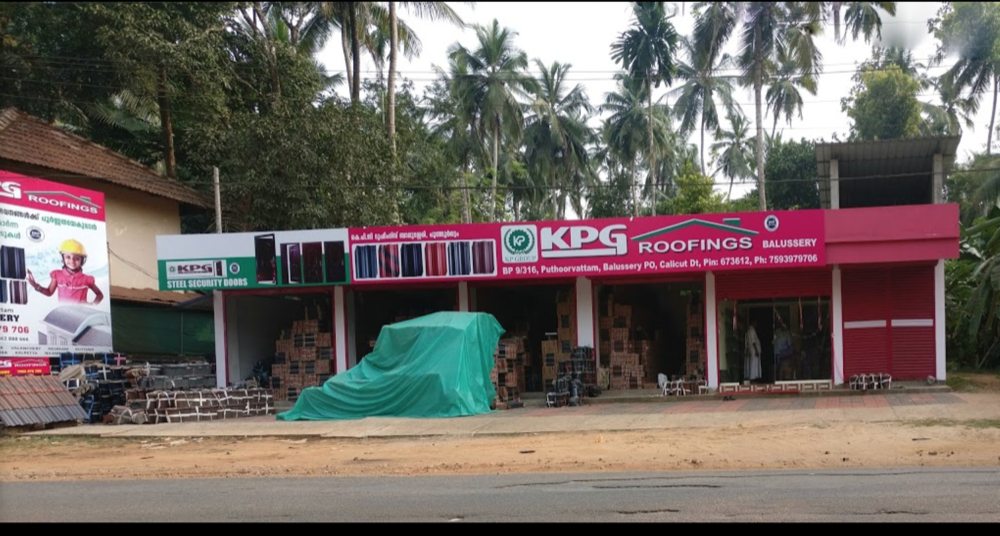
  1. KPG Roofings BalusseryRoof tiles in atholi, balussery, narikkuni, ponoor, vattoli, kozhikode
    This is a company direct outlet and located at Kattampally, Balussery. The godown has a capacity to store 60,000 pcs and always have ready stock for all the colours you will need. This outlet mainly targets customers for roof tiles in Balussery, Atholi, Andikkode, pooladikkunu, hamarassery, Koyilandy, Koorachundu, Koottalida, Cheekkilode and Vayalada.Contact : 075939 79706
    Find on KPG Roofings balussery, calicut on GOOGLE MAP
  2. KPG Roofings Kolathara
    This showroom has a large godown and has the storage of about 120,000 pcs. This ensures you get ready delivery at anytime. This outlet mainly targets customers for roof tiles in feroke, calicut town, nadakkavu, chungam, modern bazar, puthiyara, mankavu etc,

    Contact : 075939 79708

    Find on KPG Roofings kolathara, Kozhikode on GOOGLE MAP
  3. KPG Roofings Mukkam
    This showroom has an amazing treat of display and can contain about 60,000 pcs at any time. The outlet is located in karuthaparamba, Mukkam. This outlet mainly targets customers for roof tiles in mukkam, Kunnamangalam, Thamarassery, Thiruvambady, Mavoor, Koduvally, Areekode, Edavannappara etcContact : 098951 67718
    Find on KPG Roofings mukkam, Kozhikode on GOOGLE MAP
  4. KPG Roofings Kuttiyadi

    This is one of the oldest KPG showrooms and have a huge customer base. They always have a ready stock of 70,000 pcs available in their godown. They mainly sell roof tiles to kuttiyadi, paleri, nadapuram, thottilpalam, perambra etc.Contact : 086068 38333
    Find on KPG Roofings Kuttiyadi, Kozhikode on GOOGLE MAP

These are the main places in kozhikode district where you can buy roof tiles.