
Ceramic Roofing Tiles
Explore and Choose the Right Ceramic Roofing Tiles.
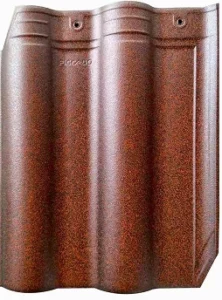
Antique Red – Classic
Pieces per s.q.m : 10 pcs
Weight: 2.4 to 2.5 kg/piece
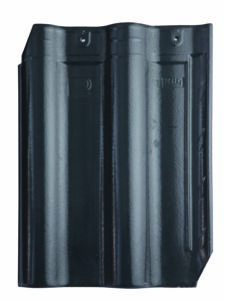
Steel Gray – Classic
Pieces per s.q.m : 10 pcs
Weight: 2.4 to 2.5 kg/piece
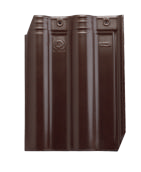
Coffee – Classic
Pieces per s.q.m : 10 pcs
Weight: 2.4 to 2.5 kg/piece
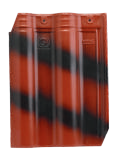
Red & Black – Classic
Pieces per s.q.m : 10 pcs
Weight: 2.4 to 2.5 kg/piece
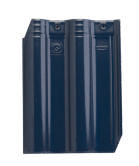
Blue Gray – Classic
Pieces per s.q.m : 10 pcs
Weight: 2.4 to 2.5 kg/piece
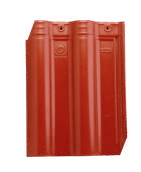
Terracotta – Classic
Pieces per s.q.m : 10 pcs
Weight: 2.4 to 2.5 kg/piece
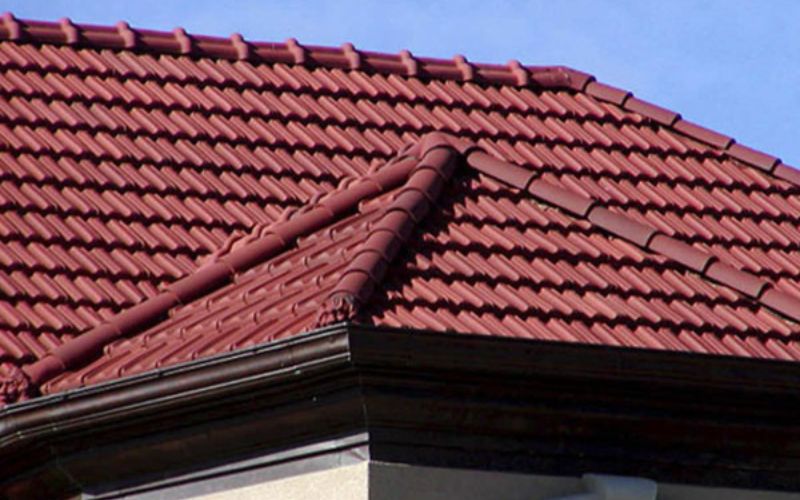
Ceramic Roofing Tiles for Residential and Commercial Projects
KPG ceramic roofing tiles combine durability, colour consistency, and weather resistance for residential and commercial roofing. KPG ceramic roofing tiles are available in multiple designs and colour finishes, making them suitable for a wide range of architectural styles across different climate regions. Designed to perform in heat, heavy rain, and humidity, KPG ceramic roofing tiles maintain their structural integrity and visual appeal for decades. Their low water absorption, thermal resistance, and lightweight construction make them a reliable, low-maintenance roofing solution.
Why Choose KPG Ceramic Roofing Tiles
Colour Permanence
Retains vibrant colour without fading over decades.
Thermal Resistance
Reduces heat transfer into living spaces naturally.
Light Weight
Uniform weight and size for straightforward installation.
Environment Resistant
Handles rain, humidity, and coastal conditions well.
Load Bearing Strength
Built to safely withstand significant structural weight.
Undoubted Durability
Long-lasting performance through all weather conditions.
FAQ
Product Questions Answered
Start with your local climate; choose glazed, high-fired tiles for humid or high-rainfall regions. Check your roof pitch and select a deep interlocking profile that channels water efficiently. Consider lighter tile colours for heat reflection in hot climates. Always verify that your roof structure can support the tile weight before finalising your choice.
Ceramic tiles are kiln-fired at high temperatures, making them denser, non-porous, and longer lasting than most alternatives. Unlike concrete tiles, they do not absorb moisture or fade easily. Compared to metal sheets, they provide better heat insulation and sound dampening. They outlast asphalt shingles by decades and resist rust, unlike metal roofing.
Ceramic tiles offer strong water resistance, but a leak-proof roof depends on the full system slope, interlocking design, and underlayment quality. Compared to concrete, they absorb far less moisture. Compared to metal sheets, they resist corrosion and provide better thermal insulation. Proper installation of the underlayment and flashing is essential for a fully watertight result.
Ceramic roof tiles typically last 40 to 60 years, and in some cases over a century. Their lifespan depends on installation quality, climate conditions, and regular maintenance. The waterproof underlayment beneath the tiles usually needs replacement every 15 to 20 years. With periodic inspections and basic upkeep, ceramic tiles comfortably outlast most other roofing materials.
Yes. Ceramic tiles reflect solar radiation and reduce heat transfer into the living space below. Cool roof ceramic tiles can lower indoor temperatures by 7°C to 15°C depending on the region. Lighter coloured tiles reflect more sunlight and perform better in high-heat areas. This reduces reliance on air conditioning and lowers electricity bills.
Ceramic tiles are strong under evenly distributed weight but can crack under heavy impact or direct point loads. The most common cause of cracking will be improper installation; air pockets beneath tiles cause them to flex and break under pressure. Avoid walking directly on tiles and ensure full mortar coverage during installation.
Yes. Glazed ceramic tiles resist moss, algae, and dirt due to their non-porous surface. They need a gentle clean once or twice a year and periodic inspection of ridge areas and gutters. Avoid high-pressure washing as it can damage the glaze. With basic care, ceramic tiles stay in good condition for decades.
Yes. While the upfront cost is higher than other materials, ceramic tiles last 50 years or more with minimal maintenance. They reduce cooling costs through natural heat reflection, resist climate change damage, and rarely need repairs. Over their full lifespan, they cost significantly less than cheaper materials that need frequent replacement.
Ceramic roof tiles are suitable for most Indian climate regions. In high-rainfall and coastal areas, their low water absorption and glazed surface resist moisture, moss, and salt air effectively. In high-heat regions, lighter coloured or cool-roof ceramic tiles with high solar reflectance keep interiors cooler. In cold mountainous regions, their low moisture absorption prevents freeze-thaw cracking.
Yes. Old roofing materials can be removed and replaced with ceramic tiles. Before proceeding, a structural assessment is essential. Ceramic tiles are heavier than metal sheets or asphalt, so your existing roof framework must be verified for load-bearing capacity. A qualified roofing professional can inspect the structure and recommend any reinforcements needed.
In most cases, yes. Ceramic tiles add 40 to 75 kg per square metre to your roof's load. If your home was built for lightweight roofing like metal sheets or asphalt, the existing structure may need reinforcement. Always consult a structural engineer before installation to assess load-bearing capacity and recommend any upgrades needed.