
Clay Wall Cladding Tile
Enhance Walls with Natural Clay Finishes.
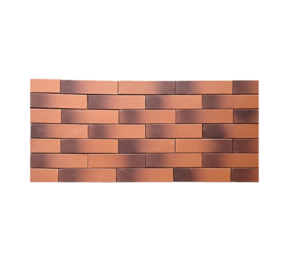
Autumn Blend
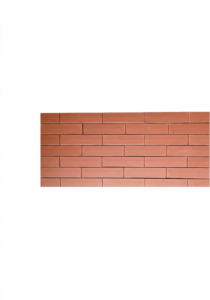
Burgundy
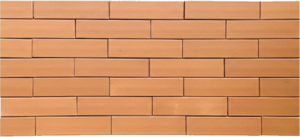
Cappuccino
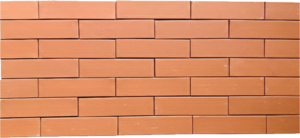
Light Red
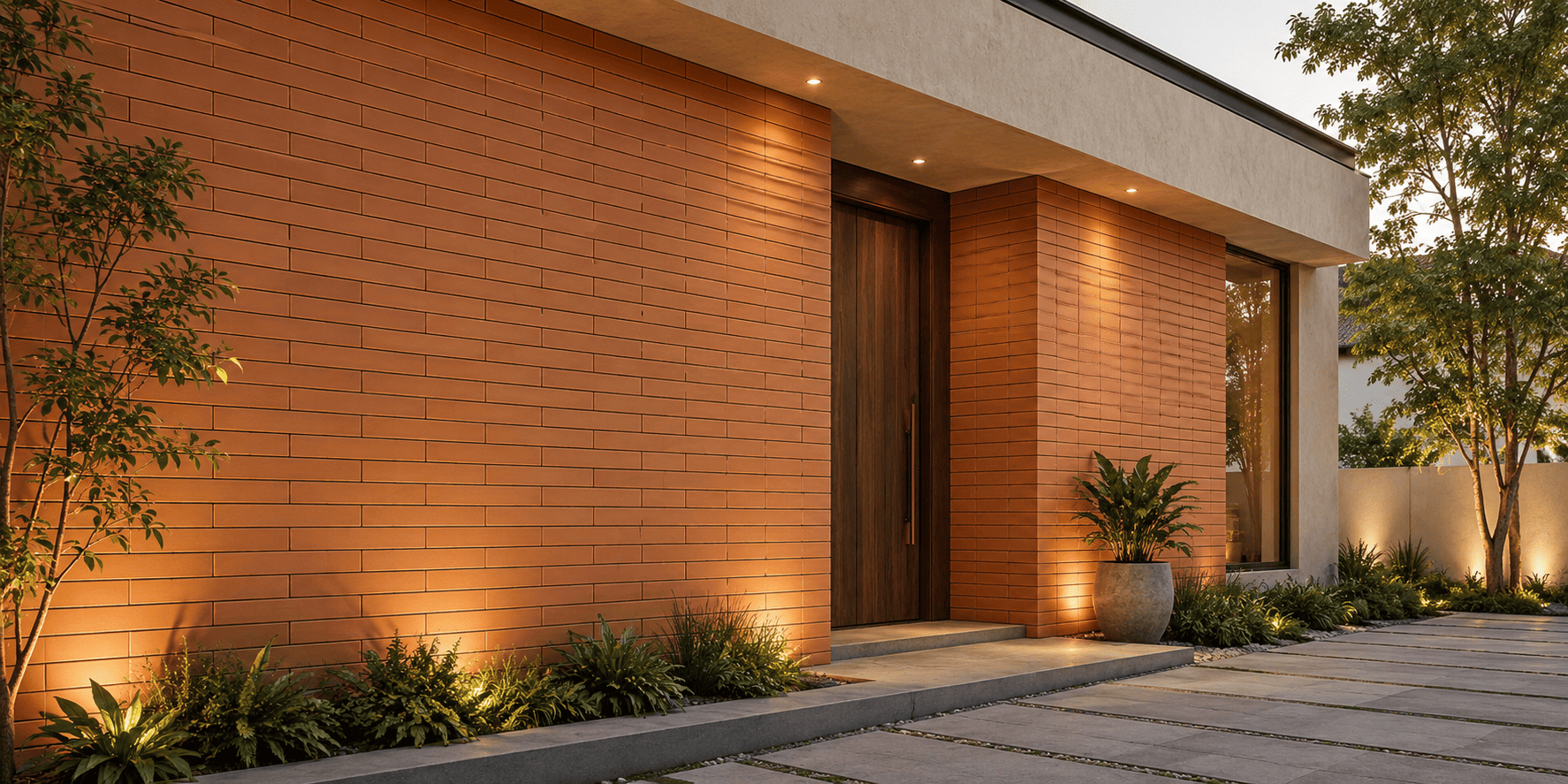
Clay Wall Cladding Tiles for Natural and Architectural Wall Finishes
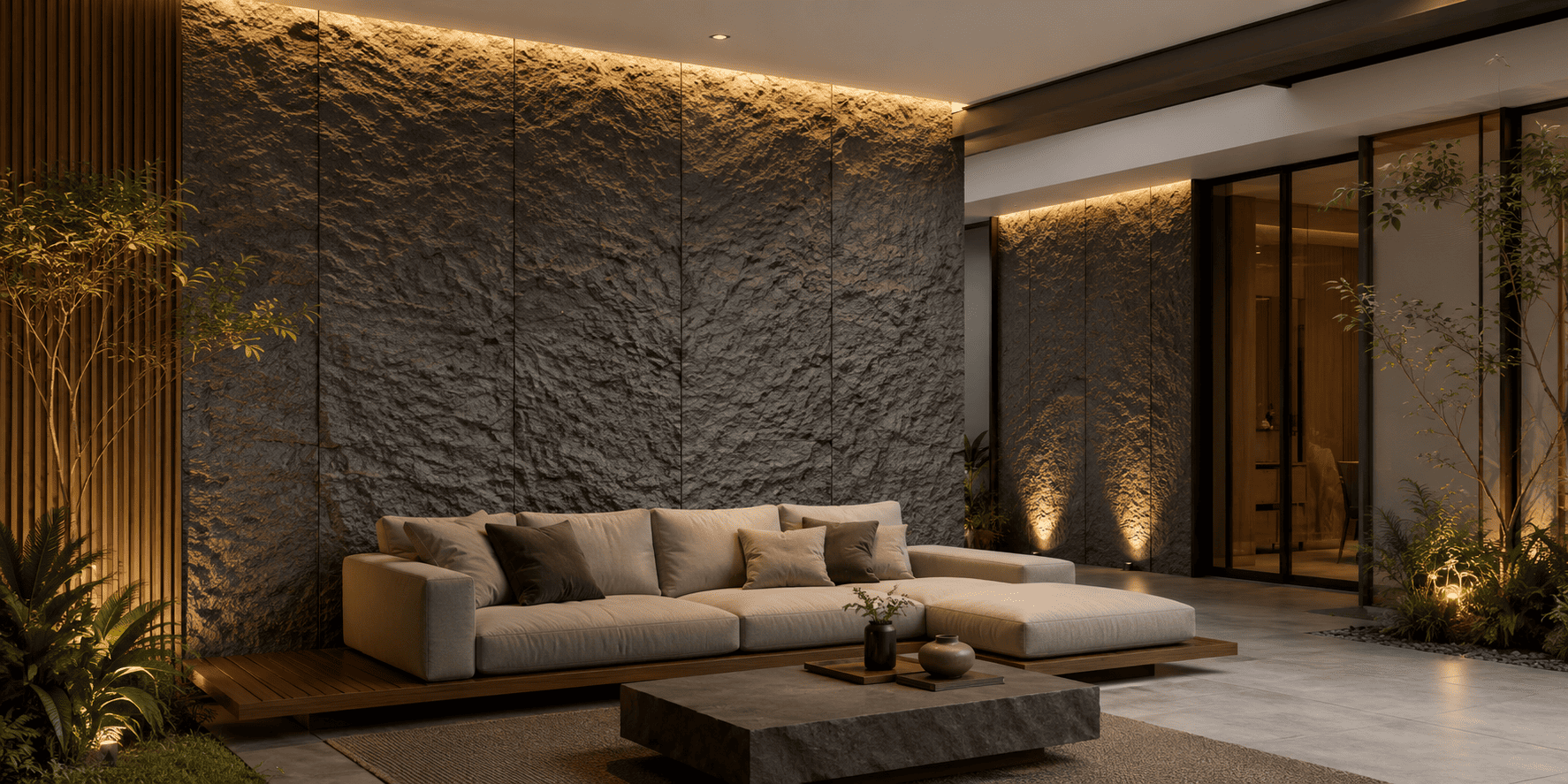
Clay wall cladding tiles are decorative wall coverings made from natural clay and used for exterior facades, feature walls, boundary walls, and interior accent surfaces. They are available in multiple textures and finishes; they enhance the visual appeal of residential and commercial buildings.
Designed for long-term performance, clay wall cladding tiles offer excellent durability, weather resistance, and colour stability. Their natural appearance helps create distinctive wall surfaces while complementing both contemporary and traditional architecture.
Why Choose Our Clay Wall Cladding Tiles
Natural Finish
Creates warm and timeless wall aesthetics.
Weather Resistant
Performs well in outdoor environments.
Low Maintenance
Requires minimal upkeep after installation.
Thermal Comfort
Helps reduce heat absorption on walls.
Durable Material
Suitable for long-term wall applications.
Versatile Designs
Complements modern and traditional architecture.
FAQ
Product Questions Answered
Clay wall cladding tiles are made from natural fine clay mixed with minerals like silica and quartz, then kiln-fired at high temperatures. This firing process creates a dense, breathable, and moisture-resistant tile with natural earthy colour variations. Some tiles include mineral oxide pigments for specific colour tones, while others retain a natural unglazed finish.
Clay wall cladding tiles are used on both interior and exterior surfaces across residential and commercial spaces. Common applications include building facades, living room feature walls, restaurant interiors, hotel lobbies, columns, and boundary walls. Their natural insulation and durability make them ideal for high-traffic areas and hot climate regions.
Yes. Clay cladding tiles perform well on both exterior facades and interior accent walls. Outdoors, they resist weather, UV exposure, and temperature changes while keeping walls naturally cool. Indoors, they add warmth, breathability, and a degree of sound absorption, making them a practical choice for living rooms, bar areas, and fireplace surrounds.
Yes. Kiln-fired clay tiles are highly durable and resistant to harsh weather, fire, and fading. Their natural composition makes them a long-lasting choice for both interior and exterior walls. Sealing porous clay in high-humidity areas helps prevent moss growth and efflorescence, extending their lifespan further.
Yes. Clay wall cladding tiles are fired at high temperatures, giving them strong resistance to heavy rain, UV radiation, and temperature changes. Modern cladding tiles are engineered with low water absorption rates, often under 6 percent, preventing moisture-related cracking. Applying a breathable water-repellent sealant helps maintain colour and prevents white salt stains over time.
Yes. Clay has natural thermal mass and insulation properties that slow down heat transfer through walls, keeping interiors cooler. When installed with a small air gap, the cladding acts as a second skin that allows hot air to escape and reduces heat build-up on the wall surface. This makes them particularly effective for sun-facing exterior walls in warm and tropical climates.
Yes. Clay cladding tiles are thin and lightweight compared to full structural bricks, making them straightforward to fix using standard tile adhesive or polymer-modified cement mortar. Surface preparation, back-buttering the tiles, and using spacers for consistent grout lines are key steps for a clean finish. Applying a penetrating sealer after grouting protects the tiles in moisture-prone areas.
Clay wall cladding tiles typically last 40 to 50 years or more when properly installed and maintained. Their kiln-fired composition makes them highly resistant to fading, fire, and moisture over decades. Occasional cleaning to prevent moss or mildew buildup, particularly in humid conditions, helps maintain their appearance and structural integrity.
Clay cladding tiles are made from natural unrefined clay with a porous, matte, brick-like finish suited for feature walls and exterior facades. Regular ceramic or vitrified tiles are dense, non-porous, and glazed, designed for moisture-heavy indoor spaces like bathrooms and kitchens. Clay tiles breathe and insulate naturally, while regular tiles prioritise hygiene, stain resistance, and a smooth, uniform finish.