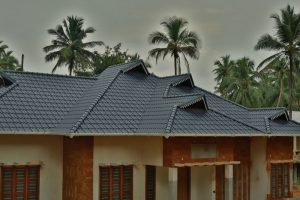
Stone coated Roofing sheets – Price, details and specifications

In the ever-changing world of construction, roofing materials have seen significant advancements. One of the most innovative and sought-after options today is stone-coated roofing sheets. These roofing solutions are not just a trend but a breakthrough in roofing technology, combining durability, aesthetics, and functionality in a single product.

This article will provide an in-depth exploration of stone-coated roofing sheets, focusing on their composition, benefits, installation process, and why they might be the ideal choice for your next roofing project.

What Are Stone Coated Roofing Sheets?

Stone-coated roofing sheets are high-quality metal roofing materials coated with an aluminum-zinc alloy for enhanced corrosion resistance. The base metal, typically steel, is coated with a layer of aluminum-zinc to prevent rust and degradation from the elements.

On top of this, ceramic granules or volcanic chips are adhered to the surface, providing additional protection and a visually appealing finish. These stone granules help in noise reduction, making them an excellent choice for both residential and commercial buildings.

The Composition of Stone Coated Roofing Sheets

Stone-coated roofing sheets consist of three main layers:

  1. Base Metal: The base is typically made from high-grade steel. Steel is chosen for its strength and durability, ensuring that the roofing sheets can withstand extreme weather conditions and last for many years. The steel base is coated with an aluminum-zinc alloy (also known as Galvalume) that provides superior resistance to corrosion compared to traditional galvanized steel.
    This coating extends the lifespan of the roofing sheets and helps maintain their structural integrity over time. Additionally, the backside of the sheets is often coated with white for better heat insulation.
  2. Stone Coating: The top layer consists of ceramic granules or volcanic chips that are sprayed onto the surface. These stones are permanently bonded to the metal using a high-strength adhesive and are then baked at high temperatures to ensure they stay in place. This stone coating provides several benefits, including enhanced aesthetics, noise reduction, and additional protection against the elements. Dual tone colours are also available by processing two different types of stones at different concentration

Benefits of Stone Coated Roofing Sheets

1. Durability and Longevity

Stone-coated roofing sheets are designed to last for decades. The combination of a steel core with an aluminum-zinc coating ensures that the sheets are resistant to rust, corrosion, and other forms of degradation. The stone coating adds an extra layer of protection, making these roofing sheets highly durable and long-lasting.

2. Aesthetic Appeal

One of the most significant advantages of stone-coated roofing sheets is their aesthetic appeal. The stone coating can be manufactured in various colors and styles, allowing homeowners and builders to choose a design that complements their architectural style. Whether you prefer the look of traditional shingles, tiles, or even wood shakes, stone-coated roofing sheets can be made to mimic these styles while offering the benefits of metal roofing. It is advisable to choose dual-tone colors, as they offer a more dynamic and appealing look compared to single-tone colors, which may appear less vibrant.

3. Noise Reduction

Traditional metal roofing can be noisy, especially during rain or hail storms. However, the stone coating on these roofing sheets helps to dampen sound, providing a quieter environment inside the building. This makes stone-coated roofing sheets an excellent choice for residential properties where noise reduction is a priority.

4. Energy Efficiency

Stone-coated roofing sheets can also contribute to the energy efficiency of a building. The reflective properties of the aluminum-zinc coating help to deflect heat from the sun, keeping the interior of the building cooler during hot weather. The backside white color coating further enhances heat insulation, reducing the need for air conditioning and leading to lower energy bills and a smaller carbon footprint.

5. Lightweight

Despite their strength and durability, stone-coated roofing sheets are relatively lightweight compared to traditional roofing materials such as concrete tiles or slate. This makes them easier to transport and install, reducing labor costs and the overall time required for installation.

6. Environmental Friendliness S

tone-coated roofing sheets are an environmentally friendly option. The steel used in their construction is often made from recycled materials, and the roofing sheets themselves are fully recyclable at the end of their lifespan. Additionally, the energy efficiency provided by these roofing sheets can help reduce the overall energy consumption of a building.

Installation Process of Stone Coated Roofing Sheets

Installing stone-coated roofing sheets requires a certain level of expertise to ensure they are fitted correctly and securely. Here is an overview of the typical installation process:

1. Roof Preparation Before the installation of stone-coated roofing sheets begins, the roof structure must be inspected and prepared. This involves checking the existing roof for any damage or weaknesses that need to be repaired. The roof deck must be clean and free from debris to ensure a smooth installation process.

2. Underlayment Installation An underlayment is installed on the roof deck to provide an additional layer of protection against moisture and to prevent leaks. The underlayment is typically made from materials such as synthetic felt or rubberized asphalt.

3. Installing the Stone Coated Roofing Sheets The stone-coated roofing sheets are installed starting from the bottom edge of the roof and working upwards. Each sheet is fastened securely to the roof deck using corrosion-resistant screws. The sheets are overlapped to ensure a watertight seal, and special attention is paid to areas around roof penetrations such as chimneys and vents.

4. Trimming and Finishing Once the stone-coated roofing sheets are in place, the edges are trimmed to fit, and any necessary finishing touches are added. This may include the installation of ridge caps, flashings, and other components that ensure the roof is fully sealed and protected from the elements.

5. Final Inspection After installation, the roof is inspected to ensure that the roofing sheets have been installed correctly and that there are no gaps, loose screws, or other issues that could compromise the integrity of the roof.

Maintenance of Stone Coated Roofing Sheets

One of the benefits of stone-coated roofing sheets is that they require minimal maintenance compared to other roofing materials. However, regular inspections and minor upkeep can help extend the lifespan of the roof and ensure it continues to perform at its best.

1. Regular Inspections It is recommended to inspect the roof at least twice a year, particularly after severe weather events. Look for any signs of damage such as loose or missing stone granules, bent or warped sheets, or rust on the screws. Address any issues promptly to prevent further damage.

2. Cleaning Stone-coated roofing sheets can accumulate dirt, debris, and moss over time. It is essential to keep the roof clean to maintain its appearance and functionality. Use a soft brush or low-pressure water spray to remove debris. Avoid using harsh chemicals or high-pressure washers, as these can damage the stone coating.

3. Repairing Minor Damage If you notice any minor damage to the roofing sheets, such as small dents or scratches, these can usually be repaired using a touch-up kit provided by the manufacturer. For more significant damage, it may be necessary to replace the affected sheet.

Cost and Investment Considerations

While stone-coated roofing sheets may have a higher upfront cost compared to other roofing materials, their long-term benefits often justify the investment. Here are some factors to consider when evaluating the cost of stone-coated roofing sheets:

1. Longevity and Durability The long lifespan of stone-coated roofing sheets means that they are less likely to need replacement or repairs, which can save money in the long run. Additionally, the durability of these sheets means that they can withstand extreme weather conditions, reducing the likelihood of damage and the associated repair costs.

2. Energy Efficiency Savings As mentioned earlier, stone-coated roofing sheets can contribute to energy savings by keeping the building cooler in hot weather. These savings can offset the initial cost of the roofing materials over time.

3. Low Maintenance Costs The minimal maintenance required for stone-coated roofing sheets also translates to lower ongoing costs. Regular inspections and cleaning are usually sufficient to keep the roof in good condition, and the need for repairs is typically minimal.

4. Increased Property Value Investing in high-quality roofing materials such as stone-coated roofing sheets can increase the value of your property. Potential buyers may be willing to pay more for a home or commercial building that has a durable, attractive, and energy-efficient roof.

What is the average price of stone coated roofing sheets in india ?

The average cost of stone-coated roofing sheets is approximately Rs. 120 per square foot for the 0.5 mm base thickness material with PPGI or powder coating. The base thickness can vary, starting from 0.3 mm, 0.4 mm, 0.45 mm, and going up to 0.5 mm. Choosing the appropriate thickness depends on the specific needs of the project, with thicker sheets generally offering better durability and performance.
Which roof tiles are the cheapest in India ?

In the vast marketplace of roofing materials, every buyer’s priorities differ, shaping their choices based on budget constraints, quality needs, and specific project requirements. Here, we’ll delve into the economical options offered by KPG Roofings, as well as alternatives provided by semi-brands like EURO and P BRAND, and even explore the viability of Chinese branded roof tiles for cost-focused projects.

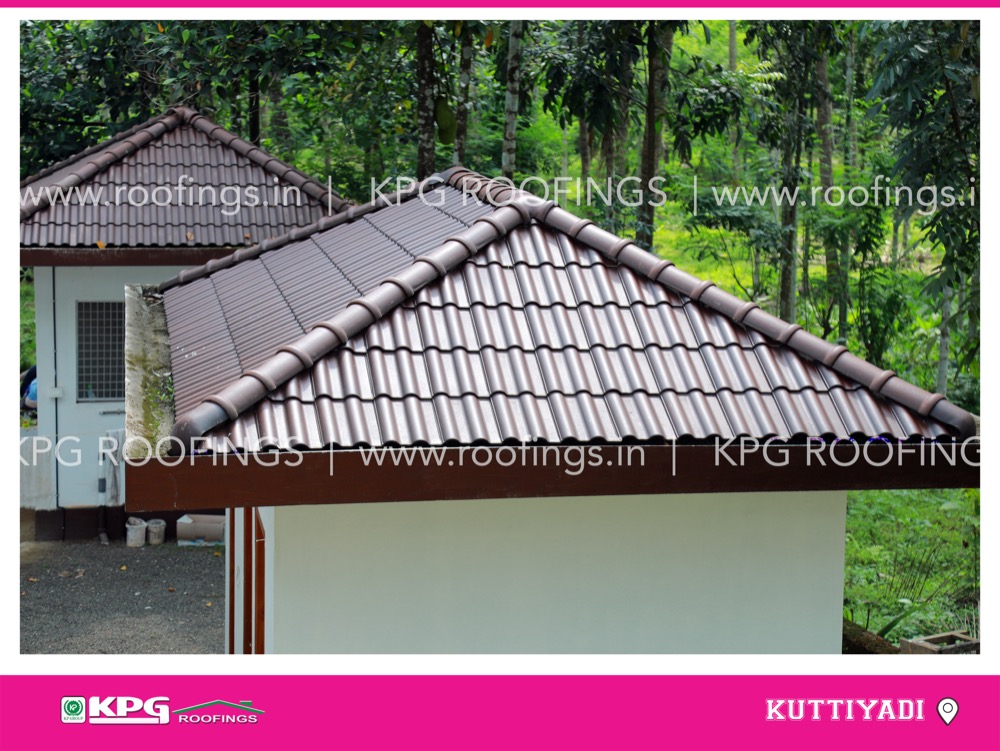
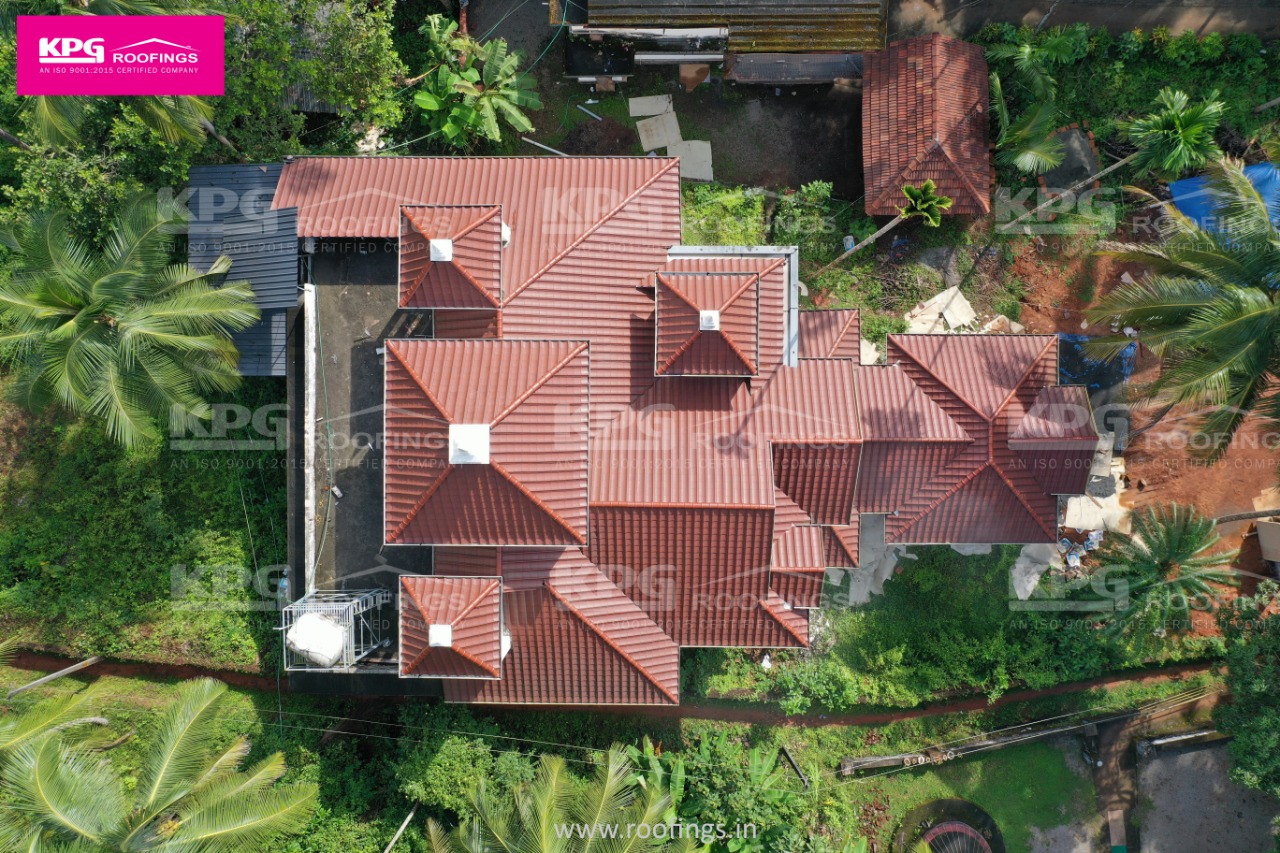
red stone shingles roof tile

Optimal Affordability with KPG Roofings

For those looking for a blend of affordability and reliability in roofing, KPG Roofings presents a commendable option with products like Jasper Lite and classic tiles.

KPG classic roof tiles is most sold roof tiles in india. The classic model alone have been sold more quantity than any other roof tile brands in india

This range is designed to offer the practical benefits of durability and aesthetic appeal, while being priced more economically than premium models. Classic by KPG Roofings stands out as an ideal choice for homeowners who seek a middle ground between top-tier and low-cost roof tiles.

Semi-Brands: A Smart Compromise

When budget constraints tighten but a certain level of quality is still required, semi-brands like EURO and P BRAND become particularly attractive.

These brands have established themselves as reliable alternatives, offering products that meet essential quality standards without the premium price tag. They serve well for those who need dependable roofing solutions that won’t break the bank but still provide longevity and aesthetic value.

Chinese Brands: Lowest Cost Options

For situations where pricing is of the utmost importance—such as in projects by contractors who are constructing homes for sale and merely require the functional benefits of colored roof tiles—the Chinese brands like Elephant, TC Roof Tile, AV Roof Tiles, and Sun Roof Tiles could serve as the most cost-effective solution.

These brands are especially suitable where the quality of the tiles is not the primary concern but rather the immediate cost and visual appeal.

Choosing Chinese branded tiles can be more advantageous than opting for the old practice of painting traditional terracotta tiles. While painted terracotta can initially seem like a budget-friendly option, the longevity and maintenance issues often make it less desirable.

Chinese tiles, on the other hand, offer better color retention and strength compared to painted terracotta, making them a superior choice for budget projects where appearance still matters.

Try not to go for chinese brands unless you are a contractor who wants nothing but just coloured roof tiles on the home.

Making the Right Choice

In making a decision on which roof tiles to purchase, consider the following:

  • For balanced quality and price: KPG Roofings’ Jasper Lite or classic offers a reputable, cost-effective solution.
  • For strict budgets with a quality requirement: Semi-brands like EURO and P BRAND provide a reliable middle path.
  • For the lowest possible investment or short-term projects: Chinese brands are the most economical, offering functional benefits with acceptable aesthetics.

Each option caters to different needs and budgets, allowing you to choose based on your specific circumstances—whether you’re investing in a home you’ll live in for years, selling a newly constructed house, or managing costs for large-scale residential developments.

By understanding the implications of each choice—taking into account the total cost of ownership, including maintenance and replacement costs—you can make informed decisions that align both with your financial limitations and your long-term satisfaction with your home.

Roof tiles Vs Roofing shingles

The roof is one of the most important parts of any home, and it is essential to choose the right roofing material to ensure that it is strong, durable, and able to withstand the elements.

Two of the most popular options on the market today are roof tiles and shingles. Most of the home owners are stuck in a dilemma where they should try for roof tiles or go for roofing shingles. At KPG, we often see this issues, as we are selling both the products in our shtores.

In this article, we will compare these two roofing materials and provide insights into the benefits and drawbacks of each, helping homeowners to make an informed decision when choosing the best material for their home.

We also encourage you to share your thoughts and experiences in the comments below!

Appearance

When it comes to appearance, both roof tiles and shingles have their unique charm. Roof tiles have a classic, elegant look that can complement various architectural styles. They come in different colors, textures, and styles, from Mediterranean to Spanish and more. On the other hand, shingles have a dual tone, modern and sleek appearance that can work well with contemporary and traditional homes alike. They are available in various colors and designs

So, which material do you find more attractive? Do you prefer the timeless look of roof tiles or the modern feel of shingles? Share your thoughts in the comments below.

Durability

When it comes to durability, both materials are strong and long-lasting. Roof tiles can last for over a century, as they are made of clay with ceramic coating. They can withstand harsh weather conditions, such as strong winds, heavy rain, and even hail. Moreover, they are fire-resistant and eco-friendly, as they can be recycled and reused.

Shingles, on the other hand, have a shorter lifespan, typically between 15 to 30 years. They are made of asphalt, fiberglass, or wood, and can also withstand various weather conditions. However, they are not as resistant to hail as roof tiles, and can also be damaged by extreme heat or cold.

Is durability an important factor for you when choosing a roofing material? Do you prefer a material that can last for decades or one that is more affordable to replace every few years? Let us know in the comments below.

Cost

Cost is another significant factor to consider when choosing a roofing material. The cost of roof tiles can range from Rs. 50 to Rs. 180 per square foot, while shingles can cost between 100 to 200 per square foot.

However, the cost of installation can also affect the final price. Roof tiles require more labor and time to install, as they are heavier and more complex to handle. This means that the installation cost can be higher than that of shingles, which are lighter and easier to install.

So, which factor is more important to you when it comes to cost?

Installation

Shingles are generally easier to install compared to roof tiles and require less manpower for installation. They can be installed quickly and efficiently, making them a popular choice for homeowners looking to save time. This normally happens as some home owners starts roofing only days before the house warming.

Additionally, shingles can be installed on a wider range of roof pitches compared to roof tiles, which can be limited by their weight and shape. The domes of mosques and churches, Most of the aesthetically designed arches etc can be installed by shingles only. Roof tiles cannot be used in such structures.

On the other hand, roof tiles require a skilled team of professionals to ensure proper installation. The weight of roof tiles can also make installation more challenging and time-consuming. However, once properly installed, roof tiles can last for many decades with little to no maintenance required.

Maintenance

Maintenance is an important factor to consider when choosing between roof tiles and shingles. Shingles are more prone to dust and algae being settled on them due to their rugged abrasive surface and the granules. This can make them appear dirty and discolored over time, requiring regular cleaning and maintenance to keep them looking their best.

In contrast, roof tiles with ceramic coating will always remain clean and maintain their original appearance for years to come. While roof tiles may require occasional maintenance such as cleaning, they are generally much easier to maintain compared to shingles.

Weight

Weight is another important factor to consider when choosing between roof tiles and shingles. Roof tiles are heavier compared to shingles, which can make installation more challenging and require additional structural support. For example, a KPG classic tile, the most sold roof tile in India, weighs around 2.5 kilograms per square foot, while shingles are much lighter in weight.

Additionally, the weight of roof tiles can impact the overall cost of installation and it require strong base or frame work to hold it. On the other hand, shingles are lightweight and can be installed on a wider range of structures without requiring additional support.

Conclusion

In conclusion, both roof tiles and shingles have their pros and cons. While shingles may be easier and less expensive to install, roof tiles are generally more durable and require less maintenance over time. The decision between roof tiles and shingles ultimately comes down to individual preferences and priorities.

When considering factors such as appearance, durability, cost, installation, maintenance, and weight, homeowners should carefully weigh the advantages and disadvantages of each option. By doing so, they can make an informed decision that meets their unique needs and preferences.

So, what do you think? Are you a fan of the classic look of roof tiles, or do you prefer the modern aesthetic of shingles? Do you prioritize durability and longevity, or are cost and ease of installation your top concerns? Let us know in the comments below!

We hope this article has been helpful in your search for the perfect roofing material for your home. If you have any questions or would like more information, please don’t hesitate to reach out to us. We’re always here to help you make an informed decision about your home’s roofing needs.

KPG is dealing with the most sold roof tiles and most sold roofing shingles brands in india. Both the products are available across all the KPG stores in the country. The customer can visit the store and compare them hand in hand, if they are still in confusion.

The Pros and Cons of Different Roof Tile Materials

Roof tiles are one of the most important components of a building’s roof. They play a crucial role in protecting the structure from weather conditions and enhancing the aesthetic appeal of the building. There are different types of roof tile materials available in the market, each with its own advantages and disadvantages. In this article, we will discuss the most popular roof tile materials, including clay, concrete, slate, and metal, and their pros and cons.

Clay Tiles

Clay tiles are one of the oldest and most popular types of roof tile materials. They are made of natural clay that is baked in a kiln. Clay tiles are known for their durability, fire resistance, and aesthetic appeal. They come in a variety of shapes, sizes, and colors, making them a versatile option for different architectural styles.

Pros:

  • Durability: Clay tiles are known for their durability and can last for up to 100 years or more if maintained properly. They can withstand extreme weather conditions, such as heavy rain, snow, and hail.
  • Aesthetic appeal: Clay tiles are available in a wide range of colors, shapes, and sizes, allowing homeowners to choose a design that suits their taste and complements their home’s architecture.
  • Heat resistant : Clay tiles, white clay or red clay, will resist heat to a great extend and always makes your roof cool
  • Energy efficient : These tiles reflects heats and doesn’t allow heat to normally pass through it. So it can be highly energy efficient
  • Fire resistance: Clay tiles are fire-resistant and can help prevent the spread of fire in case of an outbreak. This is a particularly important feature in areas with high wildfire risk.
  • Noise resistance: Clay tiles are noise-resistant and can help prevent the noise of rain or outside noise entering your home

Cons:

  • Cost: Clay tiles are one of the expensive roof tile materials, which can be a major drawback for homeowners on a tight budget.
  • Heavy weight: Clay tiles are relatively heavy, which means that the roof structure needs to be strong enough to support their weight. This can increase the overall cost of the roof construction. KPG classic roof tiles, The most sold roof tiles in india, weights around 2.5 Kg per square feet
  • Fragility: Clay tiles can be fragile and may break or crack if they are not handled carefully during installation or maintenance.

Concrete Tiles

Concrete tiles are another popular type of roof tile material. They are made of cement, sand, and water, and are available in a variety of colors and shapes. Concrete tiles are known for their durability, energy efficiency, and affordability.

Pros:

  • Affordability: Concrete tiles are more affordable than clay tiles, which makes them a popular choice for homeowners on a budget.
  • Durability: Eventhough not durable as clay tiles, Concrete tiles are durable and can last for up to 20 years or more. They can withstand extreme weather conditions and are resistant to fire and insects.
  • Fire resistance: Concrete tiles are fire-resistant and can help prevent the spread of fire in case of an outbreak. This is a particularly important feature in areas with high wildfire risk.
  • Noise resistance: concrete tiles are noise-resistant and can help prevent the noise of rain or outside noise entering your home

Cons:

  • Weight: Concrete tiles are heavier than clay roof tiles, which means that the roof structure needs to be strong enough to support their weight.
  • Color fading: Concrete tiles may fade over time due to exposure to sunlight and weather conditions, which can affect their aesthetic appeal.
  • Maintenance: Concrete tiles require regular maintenance, such as cleaning and coating, to prevent algae and mold growth and maintain their color and texture.

Slate Tiles

Slate tiles are made of natural stone and are known for their beauty, durability, and fire resistance. They come in a range of colors and are popular in traditional and historical architectural styles. Slate tiles are commonly used in areas with cold temperature

Pros:

  • Durability: Slate tiles are one of the most durable roof tile materials and can last for up to 100 years or more. They are resistant to fire, insects, and weather conditions.
  • Aesthetic appeal: Slate tiles have a natural and unique beauty that can enhance the architectural style of the building. They are available in a variety of colors, patterns, and textures.
  • Eco-friendly: Slate tiles are made of natural stone and are considered a sustainable and eco-friendly roofing material.

Cons:

  • Cost: Slate tiles are one of the most expensive roof tile materials, which can be a major drawback for homeowners
  • Weight: Slate tiles are one of the most heavy roofing material and require a strong roof structure to support their weight. This can increase the overall cost of the roof construction.
  • Fragility: Slate tiles can be fragile and may break or crack if they are not handled carefully during installation or maintenance.

Metal Tiles

Metal tiles are made of various metals, such as steel, aluminum, and copper, and are known for their durability, energy efficiency, and aesthetic appeal. They are available in a variety of colors and shapes and are popular in modern and contemporary architectural styles. Sandwich panels are now the most popular type of metal tiles

Pros:

  • Durability: Metal tiles are durable and can last longer or more. They are resistant to fire, insects, and weather conditions and can withstand high winds and hail.
  • Cost: Metal tiles are less expensive than clay and slate tiles. They can be a good option for homeowners who want a durable and stylish roof material within a lower budget.

Cons:

  • Noise: Metal tiles can be noisy during heavy rain or hail, which can be a concern for some homeowners.
  • Denting: Metal tiles can dent if they are hit by a heavy object, such as a falling tree branch or hail. This can affect their aesthetic appeal and durability.
  • Aesthetically not appealing for homes

Conclusion

Choosing the right roof tile material is an important decision for homeowners. Each material has its own advantages and disadvantages, and it is important to consider factors such as durability, cost, energy efficiency, aesthetic appeal, and maintenance requirements when making a decision.

Clay tiles are a durable and fire-resistant option with a wide range of design options, but they can be expensive and heavy. Concrete tiles are an affordable option, but they are not reliable as they require regular maintenance and may fade over time. Slate tiles are a sustainable and aesthetically appealing option, but they are expensive and heavy. Metal tiles are a economical option with good energy efficiency, but they can be noisy and prone to denting.

By understanding the pros and cons of each roof tile material, homeowners can make an informed decision and choose the best material for their roofs based on their needs and preferences.

MFP Nanoceramic Roofing Tile: Lightweight and Durable roofing solution

Roofing is an integral part of our houses and offices.  As such, the amount of effort and thought put into deciding the perfect roofing solution for our homes is far more than the amount of effort we may put into selecting our floor tiles.

In a country like India, where the weather shows no mercy and there is always a chance for heavy rains and dry summers, roofing is what keeps us safe and secure.

With the climatic variation in mind, it is not hard for us to find out why roof tiles have been around for such a long time. This tells us why roofing tiles are still adopted by a majority of the population.

With so many materials and designs to choose from, roof tile selection can be a bit of a hard process, but one worth the effort. It is an investment in your and your family’s safety.

Selecting a roof tile color and design might still be hard but fret not as selecting your roofing material has become extremely easy. With the introduction of our brand new Nano Ceramic Roofing Tiles, your search for the best roofing solution ends.

Nano-Ceramic Roof tiles

MFP Nanoceramic Roof Tiles (minerel filled polymer) is the next major thing in the roofing industry and now, you can get your hands on them by heading to your nearest KPG Roofings Store.

Unlike other plastic roofing materials, Nano-ceramic Roof Tiles are made by adding Nano Ceramic material and fiber which gives you several advantages over traditional roof tiles. 

Nano ceramic roof tiles are very similar to the white clay roof tiles, or ceramic roof tiles as they are often called, which is considered to be the best roofing material available in india.

The Nano-ceramic Roof Tiles are made from a Nano-Ceramic mineral composition which gives it more durability than a traditional clay roofing tile.

Now, why is this better would be the next big question that comes to your mind?

The reason for it is simple. Normal roofing tiles, like traditional clay roofing tile we normally see and use nowadays have 3.5 to 5KG per tile. This makes the roof heavy.

In short notice, it may not seem much but when you take a roof as a whole, it is quite heavy. This often leads to cracks and damage to the house as a whole.

Nano ceramic only weights 400 gms where as even ceramic roof tiles, the king of roofing materials weighs around 2.3 KGs. So, this can increase a little bit in reducing the costs of the structure work required for the homes.

This also makes sure that installation of these roof tiles is easier and hassle-free. Usually, the installation workers have to be very careful to not damage or break roof tiles accidentally. Since these are plastic materials and not clay, it will not be broken easily. Ceramic roof tiles, even-though it have very high load bearing capacity of around 250KGs, will break if it falls or if anything like metals falls on it. Keep in mind that even a car can pass through the top of the ceramic tile and it will not break, but during handling by workers, there are chances.

Call us at +91 9562 888 666 for any doubts or clarifications. Our experts will help you

Also, it’s very hard for someone to move around on the roof in case there is any need. With the new Nano-ceramic roofings being extremely durable, it’s easier to install and one can even move around freely over it if the need comes because of its durability.

Nano-ceramic roofings are made of a highly dense nano-ceramic mineral material and therefore aren’t porous, unlike traditional clay roofing materials which have lots of pores on their surface.

This can cause water to seep in and thus allowing fungus and mosses to grow over them. It can also make the roof damp and even lead to heat retention during hot days.

MFP roofs on the other hand don’t have pores and hence keeps fungus, moisture, and mosses out of your roofs. The silver oxide technology, As the manufactures say, implemented in the roof tiles also kills bacteria and fungus that spreads over roofs.

Call us at +91 9562 888 666 for any doubts or clarifications. Our experts will help you

Just like the ceramic roof tiles, the nano ceramic roof tiles will also repeals the algea. Ceramic roof tiles can boast the colour life of 50 years or upto centuries, as history has shown us. Nano ceramic roof tiles colour will also lasts for 15 years.

Another major risk that roofs face is lightning and in India, where we receive abundant rains and witness frequent thunderstorms, our roofing is what gives us protection from lightning. Fret not as the Nano-ceramic roof tiles are made of a dielectric material that does not conduct electricity. But fire, fire crackers, welding sparks etc may destroy your nano ceramic roof tiles. So keep in mind that in areas where there are chances for fire or sparks like this, may be in kitchen or areas like that, it is not advised to use nano ceramic.

So the next time there is a thunderstorm in your area, you can stay safe with your loved one enjoying the rain.  Nano-ceramic roofs are also made to reduce noise. Due to its design and materials used, even strong rains won’t make dripping sounds and you can have a noise-free atmosphere at home. 

Above all, Nano-ceramic roofing tiles provide great heat resistance due to the design which creates excellent air circulation over the roof and the material also keeps heat from being retained inside it. Please keep in mind that colour also plays the important role in controlling the temperature.

This makes sure that your house remains several degrees colder than before. 

Call us at +91 9562 888 666 for any doubts or clarifications. Our experts will help you

Now, for the sweet part, these tiles are very affordable compared to many other roofing solutions. They are available in several colors and more designs will be made available shortly.

These tiles are also made in India and thus, we are supporting the countries workman and economy. The affordability, durability, feather-like weight is what make this innovative new product stand out from the rest.

One can visit any of the KPG Roofing branches to enquire about these tiles and get a personalized quotation for their home or office.

Since we don’t have any middlemen, the deals will be between our customers and ourselves, thus making sure that you get the best quality product at the most nominable rates without any hassle.

So go ahead and visit your nearest KPG Roofing store and get your homes its best friend, the Nano-ceramic roof tiles.

Frequently Asked Questions Regarding MFP Roof Tiles:

What is MFP made of?

MFP roof tiles are made of a high-density nano-ceramic mineral with extremely high shock resistance. During the manufacturing process, the material goes through a thermal treatment called density polymerization to guarantee better mechanical and thermal resistance

How long do they last?

MFP roof tiles last well over 15 years. They are very durable, can withstand heavy weather conditions and are more resistant to mechanical and thermal shocks and there is negligible colour migration. This makes sure that your roof is always sturdy and fresh-looking.

Does it withstand the weather and climatic conditions in India?

MFP Roof tiles are made in India with India’s varying and changing climatic condition in mind. May it be strong rain with high-speed winds and thunderstorms during monsoons or the harsh sunlight and heat during summers, we’ve got you covered. It is non-porous thus prevents water and heat retention. The presence of silver oxide technology further makes sure that moss, fungus and bacteria don’t grow over your roof. The dielectric property of the material used makes the roofs bad conductors hence, preventing harm during a thunderstorm. The streamlined design with air vents along with the material makes sure that the roof does not store up the heat and hence heating the entire house inside.

Where do I buy MFP roof tiles?

MFP Roof tiles are available at all branches of KPG Roofings in varying colours and soon in many more designs to make sure that your house looks regal and it remains safe. They are very affordable and are available with installation is taken care of by KPG itself which makes sure that you don’t lose money on middlemen or get tricked into the faulty installation.

What is the cost of Nanoceramic roof tiles?

The average costs vary from 75 rupees per tile to 150 rupees for the flat models. Pricing depends upon the quantity and area of delivery.

 Type of TileAvg Price
Nano ceramic roof tiles₹150
Red Clay Roof tile₹100
Concrete roof tiles₹65
Traditional roof tiles₹47
White clay roof tiles₹62

What more?

By using MFP, you are not only making your house beautiful and safer than ever but you’re also saving mother nature. These roof tiles are re-processable and eco friendly and therefore minimizes the impact on the environment.

How to select the Best roof tile colour for your home ?

As you may know, the roof is the crown of every house. It is where the eyes will go first and a good looking roof is always a deal breaker. It is studied that when someone views your house for the first time, 40% of the view of your house constitutes of your roof. That means an amazing design or attractive colour choice can completely change the looks of your house, and so does a poor one. Unlike olden times, nowadays we have a lot of designs and plenty of colour choices in the roof tiles section, to address to this issue.

roofing tile colour choices
roofing tile colour selection

One of the major advantages of the branded roofing tiles are the wide colour choices available on the market. All of them are popular in our country and you can see different shades of them in every rooftop. But having plenty also comes with its disadvantages. sometimes it is very confusing and puzzling on which colour to chose for the roof, from the wide variety of designs available on the stores.

When selecting the right colour for your home, you need to choose based on the following 5 factors. They are ;

  1. The colour shceme of your house
  2. Architecture style and design of the home
  3. Heat absorption rate of the colour and the energy efficiency
  4. Use colour selectors, visualizers or 3-D design by your architect/designer to compare with the house in your dreams
  5. The environment or neighbourhood of the house

We often encounters home makers who get stunned at the amazing colour choices and doubts if they choose the right colour roof tile for their home or not. So in this guide, we will take you through the list of items to consider when selecting the roofing colour for your dream homes.

  1. Colour Scheme

    The first factor to consider when selecting a roofing tile colour is the colour scheme of your entire house. The colour scheme includes everything from the paint to the claddings on the wall and the landscape you have in mind for your home. The roof tile colour should also stand in accordance with the colour theme. Some colours like white will go on with all the colours, but if you have custom colours for your walls, piller or sidings – you should consider that. We have made a small list of colours and their matching roof tile colours for your assistance. The table given below will show you house colour and their best matching roof colours.

    House Siding Color Best Matching Roof Colors
    Red Steel Grey(black), dark gray, Red Coffee, Teracotta, Red & Black, Antique Red
    White All colours, Red / Dark shades will match more
    Gray Steel Grey(black), dark gray, Galaxy, Blue grey Jasper, Pista green, white
    Beige/Tan Coffee, Steel Grey(black), dark green, Blue grey classic, Antique Red
    Coffee Pista green, Steel Grey(black), blue grey, Antique Red
    Blue Steel Grey(black), Coffee, Dark gray

    beautiful roof tile colour

  2. Architecture Style

    The architecture style of your home is too good a factor to consider when choosing your roofing colour for your dream home. This include everything from the theme of the house to the specific design and message it wants to confirm. An antique style house or traditional looking single floor house may carry the shades of terracotta, Antique red or coffee. A modern box-model house with very little area of roofing may go with brighter shades or special colours like Jasper Galaxy model. So The architecture definitely have a say in your colour selection.

  3. Heat absorption

    This is also an important factor to consider when selecting the roof tiles. It is basic science that dark colours like black absorbs more heat and light colours will reflects heat. So when you compromise the colour for the looks, also bear in mind that it can affect the temperature inside your house too. Even though the black and white combination is one of the classic colour schemes, we would recommend you to go through alternate shades like coffee, deep grey, galaxy etc, unless your home have an efficiently engineered ventilation and cooling system.

  4. Use Colour selector Tools

    You can use the Decision making aids like Roof tile colour selector tools provided by the reputed brands to visualize how each colours will look on your roof. You can find the KPG ROOFINGS colour selector tool in the link provided – https://www.roofings.in/try. Additionally you can ask your architect or designer to do a custom design for you with the selected colours on your own house, so you can easily make the decision aid.

  5. Neighbourhood / Environment

    It is also a fact to keep in mind. Your colour scheme should stand in accordance with your neighbourhood also. A holiday home in the woods will looks better with teracotta or pista green shades, while a futuristic home in the town or highways would look better with special colours like antique red, galaxy or some jasper series colours. Be it in beach side, village, mountains, colonies or wherever your home is, You should consider that also as a factor when picking a colour for your roof tile.
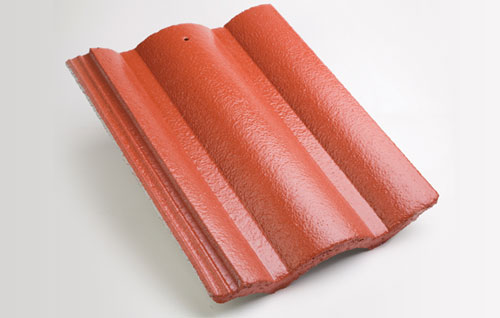
So, consider all these factors before selecting your next roofings. We have the largest colour choice available in india and have the network to deliver you the product. You can see our gallery to view some of our projects or directly head to the colour selector.

Different Type of Roof tiles In Indian Market

There are different type of roofing materials available in the indian market. In this post we are introducing some of the most popular roofing materials, their compositions and advantages and disadvantages of these materials. The popular roofing materials being traditional red clay tiles/teracotta tiles, ceramic tiles, cement / concrete tiles, shingles etc.

Which is the best roof tiles in india ?

As you know, KPG roofings is the best roof tiles brand in india. KPG is the most sold ceramic clay roof tiles in the country and also has the largest roof tile showroom network in india. The major advantages of KPG roof tiles are its durability and colour permanence. But what about the other tiles ? Are they equally good ? What are the pros and cons?

Let us check out different types of roof tiles in indian market.

Traditional clay tile (Teracotta Tiles)

Red clay Tiles are natural and have been the most prominent roofing material since olden times. These tiles are made by burning moulded red clay at a high temperature in the furnace. The toughness and heat resistance makes clay tiles more favoured over shingles, material sheets and so forth. It also gives an antique look and style to the house.

But it has more disadvantages than any other materials. The important one being the failure of the red clay tiles to withstand the seasons. In places where the temperature changes or seasonal changes are frequent, the traditional tiles fails miserably. The tiles gets black shades and will lose its colour to dust, algea and other infections very easily.

Normally, the bright ruddy shade of the red clay blurs within 2-5 years because of the climate conditions. The thickness of red clay is more than the white clay, so more amount of red clay is expected to make the tiles of same strength. Because of this, red clay are ordinarily heavier than white clay and needs more stronger framework to support it. The water absorption of clay tiles are likewise high, since the base material is standard clay itself.

  • Heat resistant
  • Long life span than concrete tiles / roofing sheets
  • Composite of natural red clay
  • Effective covering area is about 0.75 sq. feet per tile
  • Less efficient in varying seasons
  • Vulnerable to algae, fungi and other infections
  • Absorbs more water and take more damage
  • More thicker and heavier
  • needs stronger frame work to hold
  • Colour life approximately about 2-3 years
  • Will need to clean or repair every 2-5 years

Some popular clay tile companies in india are commonwealth tiles and mangalore roof tiles.

Concrete Tiles / Cement tiles

concrete roof tile

The amazing colour ranges of concrete tiles made it common for quite some times. They comes in different colours and profiles and was easily available as the manufacturing is easy. But they lost there market share and lost their reliability due to issues like their heavy weight, need for much heavy truss works, Water leakage and fading colours.

Be that as it may, they are as yet being sold in the market by a few traders and the colour selections pull in clients to these tiles. This tiles likewise includes more warmth inside the house, defeating the core principles rooftop tiles, since it is made of cement.

This will have similar properties of concrete and as exposed to rain and heat, the tile begins to deform. The colour will fade and since it absorb water and moisture, the algea and fungus are common story for them. The bad reputation and low reliability of this tiles has now forced them out of the market and the colour selection is the only attractive factor for this tiles.

These costs around Rs. 50 – 60 in india per piece.

Shingles

roofing shingles photo

These are getting popular nowadays due to their attractive textures and easiness in installing on curved surfaces. They have a base material and ceramic stones/powder is coated in it. They have stylish textures and designs. These can be bent up to 180 degrees and looks good on curved surface. They give attractive and premium looks to the rooftop. The drawbacks are the heat issues and the fading looks. As asphalt is the base materials and the practice of sticking directly prevents the airflow, the hot air is trapped under the roof and it has to penetrate the concrete wall, asphalt gum and the shingles to go out. This increase the room temperature unless strong ventilation is provided. The shingles normally have premium powder coating / stone coating made by ceramic granules. But due to the climatic conditions in India, especially in the coastal states, they are prone to algae and fungus. The material itself is algae resistant, but the rough surface makes it easy for dust particles and other materials to settle down on the shingles surface, which in turn gets affected by algae or fungus. So, these material will look pale and old ( which can be cleaned by washing with a water gun ) in your rooftop. But these can stay premium for quite some time and can stay attractive as long as you maintain it by cleaning. Since these are a premium product, the customers using this tends to have periodic renovations or maintenance.

These costs around Rs. 100-150 based on their quality and colours.

White Clay Roof Tiles

These are becoming more and more popular everyday. The main advantages of white clay roof tiles are that they are baked at extremely high temperature (about 1200 degrees) and pressure (100 ton). They also add minute ceramic particles to increase the strength. They comes in several quality and the first quality brands like KPG ROOFINGS, have triple layer of colour coating. This ensures maximum colour permeability and gives 30 years colour guarantee for the products. They are weather resistant and repels water. This makes them safe from algae and fungus infection. The glass coating ensures that the colour gets maximum life.

  • Durability and have longer life than clay roof tiles
  • Prevents heat
  • Effective covering area of 1 sq. feet per tile
  • KPG tiles are water-proof, fire-proof, rust-proof and weather-proof, making it one of the most durable construction materials.
  • They can withstand any weather and their color does not fade away. KPG roof tiles even offer a 30 year warranty on the color. KPG roof tiles won’t rust, fade, warp, disfigure or corrode.
  • Prevents algae and fungus
  • The base material used to manufacture KPG tiles are natural white clay.
  • Due to KPG tiles being extremely durable, maintenance costs ranges from zero to Zero.
  • KPG Branded tiles are lighter (2.2 kg) than traditional clay tiles (2.8 kg) and have much more density. This ensure the KPG roof tiles are more stronger and durable than clay roof tiles.
  • Load bearing capacity of 250 kgs
  • Visually Stunning and premium looks.
  • Available in 15+ colours.

The amazing looks also adds to the advantages of these rooftiles. There are many other brands also selling medium quality roof tiles . These type of branded tiles are highly preferred in indian market at the current scenario. Make up your mind and purchase from the experts when you are making the ultimate choice.

Roof tiles Price list in kerala / India

Roof tiles are a major factor in determining the aesthetics and beauty of your homes.Blue grey kerala roof tiles If you are living in a place like Kerala, where we have rainfall throughout the year, a reliable roofing is a must factor for your homes. Roof tiles has been used in India from a long time ago and has been marked as the crown of your home by the world. But what about the expense for roofing your homes ? What will be the price of different roof tiles available in kerala and india ?
We are here to introduce you with the most popular roofing tile models available in the kerala market and their price list.

Before checking on the price list, also check the Tips to chose the best roof colour for your home.

Which is the best roof tiles brand in India ?

KPG roofings is undoubtedly the best roofing tile brand in India. KPG roofings, being India’s largest roof tile showroom network currently have 37 showrooms across Kerala, karnataka, Telengana, Tamil nadu and andhra pradesh. KPG roofings is currently the most sold roof tiles in kerala and Karnataka and the most sold colour coated roof tiles in entire INDIA.

KPG roofings does not have third-party dealers like other factories. Most of the KPG showrooms are either owned partially or completely by the company, or authorised franchises. This ensures the customer gets only quality products at the best possible rate.

Across different segments and colours, KPG roofings have 39 items of roof tiles. This ensure customer have a wide variety of selection. These showrooms also have other roofing products like roofing shingles, sandwich panels etc.

Roof tile Price List in 2022 – Kerala, India

Just as any other products available in the market, roof tiles also comes up with various price levels, depending upon their quality and profile. We have made a complete list of roofing options available in India. You can refer to the post to read more. Let us have a look

    1. Traditional Clay Roof tiles

      Traditional Roof tiles have been in the market for several decades. The high maintenance and less aesthetic appeal have reduced their popularity and caused them to fade away from the main stream. Even-though they are not so preferred in the recent years, there are still vendors selling these tiles. The main problem with these tiles are their inability to resist weather changes, algae and Fungus. Since they are plain mud clay, the water absorption of these tiles are comparatively more than others. Their colour is also prone to change over time. The strength of these tiles are also very low and can cause a lot of damage in the time of laying.

      Avg Price for First Quality Traditional Roof tiles : Rs 47
      Remarks  : Will need additional cost for painting (in case you need different colour), and will need frequent maintenance since it is prone to natural attacks and colour fading.

      Read this post for the difference between traditional tiles and modern branded tiles

    2. Red Clay Roof tile

      These are similar to the traditional roof tiles, actually made from red clay tiles. They are of two kinds – Tiles with colour coating and the tiles without coating. The tiles without coating are usually imported from other countries with various profiles. They looks bulky and elegant, and are usually expensive. They are generally imported from Spain, Portugal, Malaysia, Indonesia, US etc and are prone to algae and fungus. They have been a disappointment in the indian weather, but still manages to hold a large market share due to its elite customer base and premium feel.

      There are also some roofers who markets red clay roofings with quality colour coating, similar to that in white clay roof tiles. These are also usually expensive than the white clay tiles, but comes only in a few popular profiles. These are high quality tiles but less popular due to the scarcity in selection.

      Avg price of Red clay roof tiles: Rs. 100.

    3. Concrete roof tiles

      These tiles were popular for some time, due to the availability of different colours. They comes in different colours and profiles. But they were highly criticised and discouraged by everyone in the industry during the course of time. The main reason includes their heavy weight, need for much more stronger truss works, Water leakage and fading colours. But they are still being sold in the market by several manufacturers and the wide selection of colours attract customers to these tiles. This tiles also adds more heat inside the house, defeating one of the core purpose of using roof tiles, since it is made of concrete. These are exposed to the rain water and sunlight and cracks, leakage and algae are a common story for these tiles. All these reduces its reliability and efficiency, but still the aesthetics force some people to give it a try.

      concrete roof tile
      Avg Price for concrete roof tiles : Rs. 65
      remarks: These will add more load and heat to your roof.

    4. Chinese ceramic roof tiles

      Chinese ceramic roof tiles are actually the second quality white clay roof tiles imported from china. They are a cheaper form of the normal ceramic white clay roofing tiles and inherits most of its features. The colour coating, load bearing capacity, resistance to environment etc are also claimed by these tiles also. They are aesthetically pleasing and looks better than concrete roof tiles. They also are highly durable and colour coating is better than concrete roof tiles and all the domestic/ spanish /indoneasean / malaysian/ American clay roof tiles available in the market. The white clay and ceramic coating gives it better colour coating than the red clay models and also provide weather resistance. Unlike the first quality tiles, these roofing tiles will be only having a single colour coating and the content of porcelain will be very low, resulting in a lower finishing than the later.


      Avg Price of Chinese ceramic roof tiles (Elephant / Ball / Sun Brand) : Rs 66

    5. White clay roof tiles

      These tiles have been very popular lately due to many unique features. These are technically a premium version of the ceramic coated roof tiles, but made from more pure white clay. Hence these are commonly referred to as White clay roof tiles. These tiles are far more superior than the normal roof tiles. Major advantages of these includes strength, load bearing, weather resistance, colour permanence and much more. They have colour coating that never fades. First quality ceramic roof tiles like KPG branded roof tiles have triple layers of coating for colour protection and are available in a wide variety of colours. These tiles can also bear load upto 250KGs of weight. This has been very popular in hot areas and also in areas with huge rainfall, since this is completely weather proof and has resistance to all natural wear and tear. It is more stronger than traditional roof tiles or concrete roofings, yet it is less heavier than both of them. This makes it easier for installation and will require relatively less truss work. These are available in different shades and profiles. The first quality tiles are available in different profiles and features.

      The classic series gives you elegant and unique aesthetics. These tiles have the best colour coating available in the indian market is less thicker and light weight, making it easier to work with. These are the most popular item and are available in 6 different colour shades. This is the most affordable and budget friendly branded tiles you will ever get.

      The Excel series gives you excellent colour, glazing and photo finish. They are also light weight and is completely made up of white clay, which gives them unique glazing and finish, much like the floor tiles. They look superior over other tiles due to their profile and colour and is the best fit for those who seeks perfection.

      The Jasper roof tiles series blends the both of the above, Gives you the perfect combination of the sexy and powerful tiles. These series are aesthetically appealing and highly reliable. They have similar weight, but due to the mixture of slight amount of red clay and longer processing time, they are more durable and less prone to damages.

This is the ultimate roof tiles available in the indian market and is a flagship product of KPG, which makes it the best choice for your dream home.

Price for Branded white clay tiles : Approx Rs 70 – 90

Final Words – Pricing in India

So we have tabulated the normal price of roof tiles in kerala – India. Please note that these prices may vary depending upon the area, brand and quality of the tiles. Please use the below list just as a reference to the pricing only.

 Type of Tile Avg Price
Traditional Clay Roof tiles ₹47
Red Clay Roof tile ₹100
Concrete roof tiles ₹65
Chinese ceramic roof tiles ₹66
White clay roof tiles ₹80

There may be additional costs like transportation, labour costs etc apart from this. In the white clay series, there are more than 4 price ranges in KPG Roofings. This allows you to select the quality that is affordable in your budget level. You can contact the KPG Roofings customer care at +91-9562-888-666 for additional enquiries

Flat roof Vs Sloped roof : Which type of slope to prefer in Kerala / india ?

The discussions on whether building a flat roof or building a slopped roof for your home is very common nowadays. This is perhaps one of the highly confusing part for most of the common people and even architects are confused about this. So, here we are just going through the pros and cons of both the structure.

Before we start, It is better to know that no roof can be made as completely flat. This will let the water reside in the roof/concrete. Water is very very heavier and can cause critical damage to the house. So, Even in flat roof structure, there will be a mild slope to drain out the water.

The flat roof has been popular over time throughout india and in kerala. These are inspired from foreign designs and modular concept. This design ensures that you have effectively used all the available space. These are generally preferred in the places with lesser rainfall. This style can looks aesthetically stunning with exterior elements like glass, ACP works, cladding works, pergola designs etc.

Advantages / Disadvantages of Flat Roof

  • Aesthetically stunning with added elements like glass, lights, pergola design etc.
  • Faster construction and is easier to work with.
  • Initial cost is less compared to sloped roof, considering the reduced need of labour and materials.
  • Not preferred in areas with heavy rainfall since it is harder for water to completely drain out. Water will  be heavier and can cause serious damage to your roof. Also when water is stocked at the roof, chances are roof may experience collapse or leakage.
  • Relatively lesser life and maintenance  required due to accumulation of water.
  • Takes in more heat since less air space and air circulation between living area and roof.
  • you will loss the opportunity to implement an attractive roofing, since usage of roofing tiles / roofing sheets will be less relevant as they have no view from outside.

Advantages / Disadvantages of Slopped Roof

  • Gives a traditional, antique and royal style to your house, coupling with external decors suiting the theme.
  • Gives you excellent opportunity to add a crown to your home and showcase the beauty of your roofing tiles / sheets. Installing an attractive roofings will give your home a precious and aesthetically advanced outlook. Check out the roof tile colour selector to see some samples.
  • Renowned for their long life and reliability.
  • Highly preferred in areas with good amount of rainfall, as this will completely drains out the water completely. Usage of roofing sheets or roof tiles will ensure the water never gets settled in your terrace
  • Initial cost could be more than flat roof as it needs more labour and materials.
  • Heat will be lesser than flat roof. There will be more air room and ventilation due to the slanting structure and height, effectively resulting in reduced temperature due to the air circulation.
  • Temperature can be further reduced by usage of heat resisting roofings.

Conclusion

Comparing both the structures, it is clear that in a place like kerala, where there is rainfall for 6 months, Slopped roof structure is preferred over the flat roof structure. The slightly higher initial cost will be balanced over the course of time, by the lesser maintenance expense. Slopped roof tile also gives you more option to spice up your homes by roof tiles / roofing sheets, more resistance to heat and a more durable roof with longer lifespan.